A parole board in Alabama denied a dying woman parole last week. Leola Harris, a 71-year-old in a wheelchair suffering from end-stage renal failure, was denied parole on Jan. 10.
The Alabama Parole Board denied Harris’ parole in Macon County and only considered her application for a mere six minutes. She has been a model prisoner for the past 12 of her 19 years of incarceration at the Julia Tutwiler Prison for Women in Wetumpka.
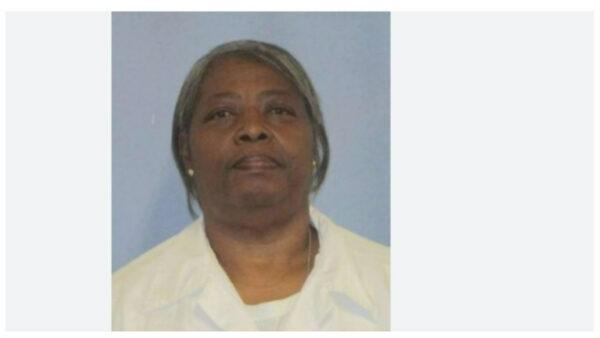
The head of Redemption Earned and former Alabama Chief Justice Sue Bell Cobb called the parole denial an injustice and a waste of money.
“This denial is an injustice and a waste of tax dollars,” Cobb said in a statement. “They are supposed to ask if someone has been adequately punished. She’s 71 and has served 19 years, without violations in 12 years. Then the next question is: Do they pose a risk to public safety? The woman is in a wheelchair and cannot even go to the bathroom by herself. She’s dying and they just denied her parole. It is an injustice. It is shameful.”
Cobb also said the parole board failed Harris as well as the people of Alabama.
“Any reasonable person would conclude that 19 years is a sufficient sentence for a 71-year-old woman who is dying in prison,” said Cobb.
“No one would say that a dying woman, who is confined to a wheelchair, who cannot perform basic personal body functions unassisted, is a danger to the public. This Parole Board not only failed Ms. Leola Harris, but they also failed the taxpayers of the State of Alabama. This denial of medical parole to a wheelchair-bound, weak, and dying woman is an injustice that the people of Alabama ought not accept or be forced to pay for.”
Harris was convicted of murder in the shooting of Lennell Norris in 2001 and sentenced to 35 years. Norris was reportedly a friend of Harris’ who she said would often visit her in the evening. He was found shot to death at her kitchen table, and Harris testified that she did not shoot him.
Her attorneys argued that Harris should be paroled because she is confined to a wheelchair and is end-stage renal failure. She needs dialysis three times per week and is in end-stage renal failure. Her lawyers also argued that she has already served 19 years in prison and is too frail to be a threat to anyone. They believe she should live out her final days in a nursing home, not prison.
The Alabama Parole Board is also being criticized for denying 90 percent of the states eligible parole applications. Guidelines for granting parole that included a scoring system were provided in 2020, but the board only implemented the guidelines 30 percent of the time.
Executive director of the Alabama Bureau of Pardons and Paroles Cam Ward confirmed the parole board has “total discretion” regardless of the guidelines. “The law says it’s up to the board,” said Ward. “They have total discretion.”
A former corrections officer noted that Alabama inmates are not permitted to tell their stories directly. Stacy George has also been vocal about the living conditions in Alabama prisons as well as the lack of prison staff.
“There are people that never need to actually get out of prison,” conceded George. “But there are people that do need to get out and get a second chance.”
On the day that Harris was denied parole, of the 46 inmates’ paroles being considered, two were continued and only one was granted.
The Attorney General of Alabama Steve Marshall released a statement that said that the board’s duty is not to appease advocates of mercy for the incarcerated.
“By law, the paramount duty of the board is to ensure public safety — not to appease the anti-incarceration community.”


