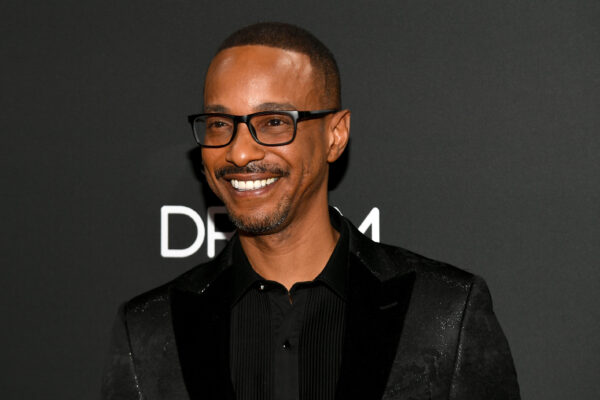
R&B singer Tevin Campbell did a rare interview on the “State of Black Music” Podcast at the National Museum of African American Music in Nashville Tennessee. In the episode, he shared a glimpse into his musical mind, his Mount Rushmore of music, and which of his hit songs did L.A. Reid want Usher to sing.
The five-time Grammy-nominated singer said the Billboard-charting 1993 single that hitmaker Reid wanted for his new child star was “Can We Talk,” confirming an industry rumor that has floated around the industry for years.
“Well, that’s true,” Campbell recalled. “That’s actually true, L.A. did want [Usher] to record it but Babyface wanted me to do it and they had a big fight over that.”
Usher also spoke about this in a 2017 interview with Ebony Magazine, saying he signed with LaFace Records because he wanted “to do an album with Babyface and LA Reid.”
“So, LA Reid wanted Babyface to work on me and they were going through, you know, a lot of drama at the time,” he continues. “They were kinda severing their ties … he got mad…And he built an entire album for me, and he gave the whole album to somebody else…Tevin Campbell!”
“‘Can We Talk’…was my song…” the 2022 Black Music Month Tiny Desk performer stated.
Despite Campbell and Usher’s memories of this fight, some fans believe the facts might be skewed, stating Usher didn’t sign with LaFace Records until 1994 and met the star producers around the time “I’m Ready,” the album the song appeared on, was released.
In Reid’s book, “Sing to Me: My Story of Making Music, Finding Magic, and Searching for Who’s Next,” he shares a story and timeline of when he met the “My Way” singer.
The passage reads in part, “The minute this fourteen-year-old boy walked into my office that afternoon in 1993, I could tell that there was nothing that felt remotely childlike about Usher Raymond IV. He was already Usher. He was confident and poised way beyond his years.”
In 1993, the same year of the meeting, “Can We Talk” had been recorded and charted on Billboard’s Hot 100 in the 9th spot.
Many tried to put the two former child stars against each other. However, Campbell had nothing but flowers for Usher, saying that even though he loves his peer’s music, he can’t do justice to one of his favorite songs by him. He said it is the same way he believes Usher would not have been able to bring life to his song the way he did.
“‘I Got It Bad’ by Usher is one of my favorite R&B songs,” Campbell confessed. “I couldn’t sing that like he sings it. I don’t believe Usher could sing ‘Can We Talk’ like I sing it. Not every song is meant for everybody.”
While Campbell believes no one can deliver the R&B anthem the way that he has, thousands flooded the internet taking a stab at it with the Campbell-rific #CanWeTalkChallenge.
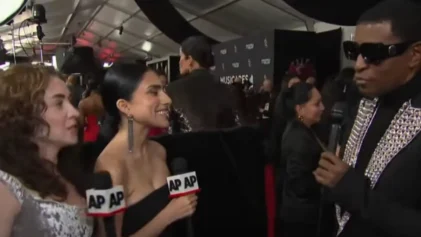
Celebrities from Tank, Tamar Braxton, Laila Ali, Evan Ross, Wanya Morris, Anthony Anderson, Avery Wilson, Kelly Price, Mario, R.L., Lil Mama, and more hopped on TikTok and Instagram to pay tribute. So popular is the song, now the song’s co-writer Babyface has incorporated it into his concert run of shows.
Babyface, nor Darryl Simmons (the silent partner) has ever spoken out about the Usher-or-Tevin Campbell scandal.
Regardless of the truth behind the original intention for the song, it remains one of American music’s greatest gifts — indeed to be celebrated during Black Music Month.