Saying farewell to “Black-ish” was bittersweet for Anthony Anderson.
For eight seasons Anderson and cast tackled social issues and everyday experiences as the fictional Johnson family living in a Southern California suburb. It was a show — highlighting a successful Black family —that he and co-creator, Kenya Barris, said was missing from the landscape of television almost a decade ago.
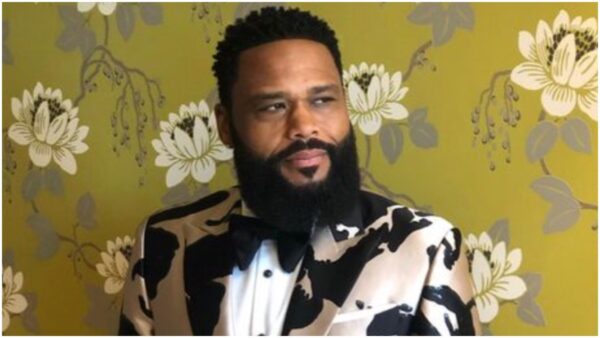
“When Kenya and I sat down almost 10 years ago now, we looked at what was missing from the landscape of television for us — he and I as viewers — and we wanted to make an important show that had an impact,” Anderson said while appearing on “The Ellen DeGeneres Show.”
The show’s success even spawned two spinoffs — “Mixed-ish” and “Grown-ish.” But like the saying, all good things must come to an end … and “Black-ish” did on April 19. “Actually the last day, I think I cried a little bit more than [Ross] did, and I didn’t think it was going to hit me the way that it did.”
Anderson explained that he thought he had his emotions in check because everyone knew they were steadily marching to the end with every scene that was filmed. Still, when Anderson’s final moments playing Andre “Dre” Johnson came to an end, so that his reign over, he was feeling overcome.
“I had been prepping myself for it, and in the last scene on the last day is when I lost it, and it was unexpected for me. I didn’t expect to lose it the way that I did, but that just goes to show how much I love what I do [and] love doing it with the people that I did it with for the last eight years,” he said.
A week ahead of Anderson’s appearance on the daytime talk show, Tracee Ellis Ross shared with DeGeneres that filming the final season put her through the emotional wringer. “The whole season, I knew was the end, so I was very present and sort of aware of endings, even the things that bothered me.”
Ross, who played Anderson’s wife Rainbow “Bow” Johnson, was unlike her leading man in that she gave herself permission to embrace the emotions as they bubbled up. “The last week I really said to myself, ‘Just let yourself feel whatever comes up,’ and I had a lot of tears,” Ross said. “And it was also really wonderful to be able to take a moment.”


