Gabrielle Union isn’t about to let Hollywood higher-ups play her out of the payday she deserves.
The “Being Mary Jane” actress, 48, has been vocal about her dedication to the fight for equal pay within the entertainment industry over the past few years, previously telling USA Today that “little by little” Black women and women of color were beginning to get more comfortable using transparency to battle the wage gap. “Little by little we’re communicating, and women of color, specifically black women, are like, ‘Oh, hell nah,’ she said. “We are so woefully underpaid, under-appreciated, disrespected.”
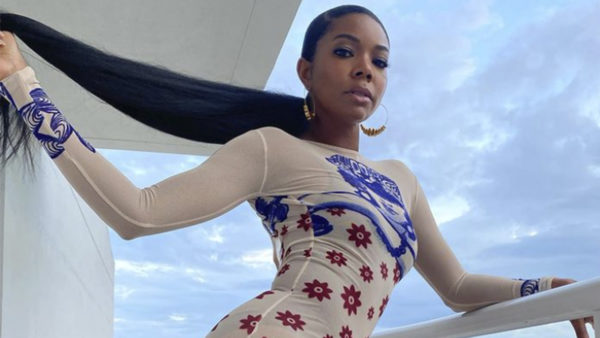
Union opened up about the “shame” and surprise that oftentimes came along with finding out where her peers fell on the pay scale and credited it to the same communication gap that exists within the industry that she’s working to close.
“As Black actresses, there’s almost shame involved, because we get paid so much less,” she said during the Sept. 21 episode of “9 to 5ish with theSkimm.” “When those ‘Forbes’ lists come out about highest-paid actors, you’re like, ‘Oh, I’m a failure… That’s what they’re making? And I’m nowhere close, but because Black actors don’t talk to each other!”
As the fight continues, Union gave further insight into what Black actresses are up against while negotiating pay rates with studios who try to “screw” over talent with trick tactics.
“Then all of a sudden it was like ‘What did you make on that? Based on your resume and all these things. You have to be in the ballpark right?’ And they’re like ‘No! They said you took $1 million less,'” she explained. “I’m like ‘I didn’t have a million dollars to begin with! They didn’t even break seven figures for me.'”
“They assume, justifiably, rightly so, that none of us are talking,” she continued. “And that’s how they screw each other because somebody will be the carrot person.”
The “L.A.’s Finest” star used her friend and fellow actress Taraji P. Henson as an example of a “carrot person” situation that she’s navigated in real life, and said that after a quick conversation between them, they came to an understanding so that both are able to be paid what they deserve moving forward.
“Sometimes you don’t even know you’re the carrot person. They’re like, ‘Well, Taraji [P. Henson] closed at — I’m using fictitious numbers — a million. I mean, otherwise, Taraji’s going to take it.’ And you’re like, ‘OK, well, $350,000, I guess.’ And Taraji’s like, ‘Girl, I’ve made, $4 million.’ You’re like, ‘Wait, what?’ And she was like ‘Girl, why didn’t you just call me?’… So we got that s**t out of the way quick.”
When armed with the knowledge of how pay rates are being negotiated around her, Union and others who share their information, are empowered to call out the powers-that-be over any attempts at lowballing.
“We’re all like, ‘What are they offering you? OK, so this studio, they do have money,” she said. “‘Which person in business affairs were you talking to? ‘So you’re like ‘OK, please tell me again why you’re low-balling me based off of nothing, hoping that I’m an idiot?'”
Although Union didn’t give specifics about which project she and Henson had their pay chat during, the actresses previously co-starred in the “Think Like a Man” films and “Top Five,” and are working on an upcoming film adaptation of the graphic novel “Sorcerority.”


