Black girl magic Sundays!
Over the weekend, Maia Chaka made sports history when she became the first Black woman to officiate an NFL game.
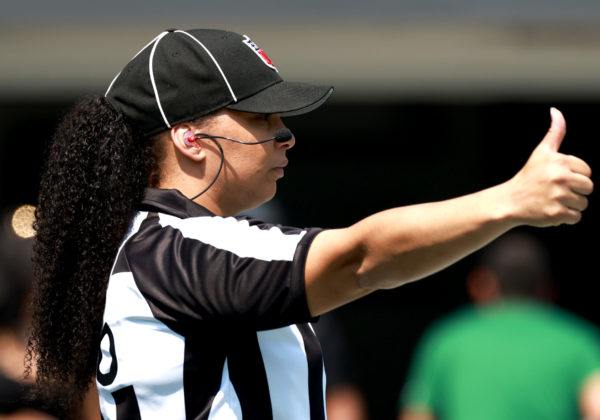
“When I step on the field for the first time as an NFL official, it’s going to be a proud moment. It’s a proud moment for myself. It’s a proud moment for my family. It’s a proud moment for my community and my students and coworkers,” Chaka said in a video posted by the league ahead of Sunday night’s game between the New York Jets and the Carolina Panthers.
The health and physical education teacher continued, “This historic moment to me is an honor, and it’s a privilege that I’ve been chosen to represent women and women of color in the most popular sport in America, proving that I can defy the odds and overcome and pretty much master a craft of a sport that I didn’t really play, but I have a love and passion for.”
The news comes on the heels of a Mach 2021 press release, which initially revealed Chaka’s inclusion in the National Football League’s roster of game officials for the 2021 season. At the time, Chaka said in a statement that she was “honored to be selected as an NFL official.” She added, “But this moment is bigger than a personal accomplishment. It is an accomplishment for all women, my community, and my culture.”
Chaka’s resume includes several Pac-12 Conferences and Conference USA. In 2014, she was selected for the league’s Officiating Development Program, which specifies top collegiate officials and exposes them to similar experiences NFL officials have. This goal is to determine whether they have the potential to succeed as an NFL official.
Football fans appear to be pleased with the move, with some expressing tardiness on the NFL’s part, including one Twitter user who wrote, “I am happy for you…I see no reason why any woman could not officiate an NFL game. My granddaughter is thrilled and grateful for the advancement of woman in any workplace.”
Another person commented, “Wishing her well on her first assignment. Looking forward to the day when people of all races/sex/orientation aren’t just making history but rather are part of the new normal. The way it should’ve been, as I would call it.”
Finishing her video statement, Chaka says she wishes to be an inspiration to all who see her and that it “empowers them to step outside the box and do something different.”


