The Texas House of Representatives unanimously passed a resolution on Monday urging the federal government to step in and approve changes to offensive names of places in the state.
At least 25 places in Texas have the word “Negro” in their names, according to U.S. Board on Geographic Names . This excludes the use of the term when it refers to the Spanish word for the color Black.
“The word Negro is derivative of [the N word], which is a very offensive word to people of color,” said Democratic Sen. Borris Miles, who wrote the resolution.
Concurrent resolution 29, which was passed in the House by a vote of 146-0 on May 24, expresses “commitment to eliminating racially offensive place names,” and urges the board to approve name changes.
In 1991, the Texas Legislature passed H.B. 1756, which was aimed at eliminating racially offensive names from dozens of geographic features by removing the word “Negro” from their titles and naming the features after Black people who had made a significant contribution to Texas. However, 30 years later, 17 of the 19 places named in the bill still contain the term. In 2018, one place was changed to its proposed name, according to federal records, when Negro Pond was changed to Emancipation Pond in Montgomery County.
Changing the names requires the approval of the board, which rejected the alternatives suggested in the bill in 1998, saying there was either too little support for the new names or too little opposition to the current ones.
USBGN researcher Jennifer Runyon also said the suggested names did not have a historical connection to the places they would identify.
“We spent a lot of time reaching out to the counties,” she said, “and a lot of them said, ‘No, don’t change those names. And we were not consulted.’ “
After that, the board did not revisit the proposals.
When Harris County Commissioner Rodney Ellis, who sponsored the bill as a state lawmaker in 1991, learned last year that the name changes were not made, he reached out to state legislators, which promoted lawmakers to draft the resolution, which was passed by the state Senate last month.
If signed by Gov. Greg Abbott, the resolution will be sent to the board, urging officials to approve the names from the 1991 bill. Sixteen names have been resubmitted to the board and will be voted on during a June 10 meeting.
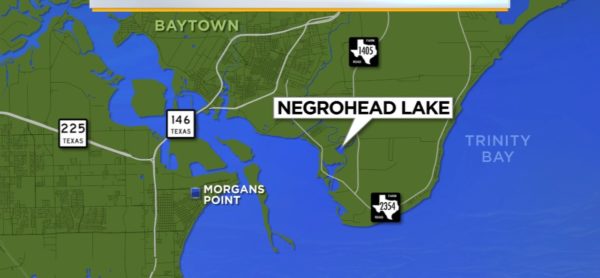
The natural features containing the offensive term include places like “Negrohead,” “Negro Hollow” and “Negro Creek.”
Many of the locations contained the N-word before they were changed to “Negro” by the board in 1963.
Ellis is pleased by the resolution and has suggested that the board replace instances of the word “Negro” with “Black” or another term that isn’t offensive.
“During this moment of racial reckoning in our nation,” Ellis told to board during a May 13 meeting. “We must take concrete action to ensure that these offensive, racist names are finally erased from the public domain.”


