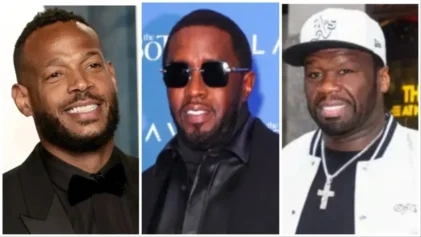
Two decades have passed since Marlon Wayans and his uber-talented family further solidified the Wayans name in Hollywood with the release of the highly successful “Scary Movie.”
The film, which was released in July 2000, launched an entire franchise spoofing classic scary movies. But after the first two film installments, the Wayans family went noticeably missing from the third and fourth sequels.
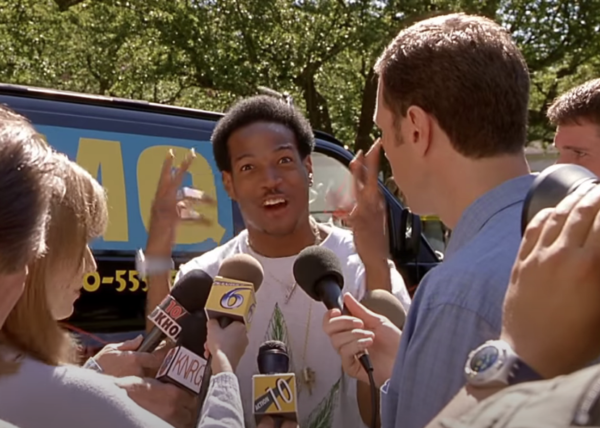
According to Marlon, his family’s lack of continued involvement with the films boiled down to soured negotiations with Dimension Films — an extension of Miramax Films, which is owned by brothers Harvey and Bob Weinstein. While speaking with Kevin Hart on the “Comedy Gold Minds” podcast, Marlon opened up about what he said really led to his family’s departure from the films.
“We didn’t walk away from a franchise, they didn’t want to make our deal and they snatched it,” he explained. The first two films starred Marlon and his brother Shawn, and were directed by their eldest brother Keenan Wayans.
“They was like, they just did, Weinstein did some really terrible, like rape and pillage villages type of business,” he elaborated. That’s just the way they did their business, so it wasn’t that we, we ever walked away from our franchise that we created, it was taken and us being the creatives that we are was like ‘alright, bet. F–k you, now watch what I create.’ “
According to IMDB, the first film had an estimated budget of $19 million, but raked in more than $270 million in global Box Office ticket sales. A year later, the Wayans family filmed the sequel with an estimated $45 million budget. The film was another success for the parody genre, generating around $141 million in sales worldwide.
But even with the laughs and money rolling in, Marlon explained the relationship his family had with The Weinstein Company soured.
“The second one they rushed us into and by the third one they didn’t want to pay the money so they snatched it. We found out on Christmas that they hired somebody else to go do it, like n—a write a book about this s–t,” said the “In Living Color” alum.
In 2019, Harvey Weinstein became a disgraced movie executive after a flood of allegations accusing him of being a womanizer, sexual predator and perpetrator of bad business practices made him a target of the #MeToo movement. As far as claims of Weinstein being a predator in business goes, Marlon views the notions as truth from his own experience.
Now, years removed from the fallout, the “Marlon” show star shared that the experience taught him a lot of lessons that have helped in continuing his career as a writer, producer, actor and comedian. He even went on to write and film two highly successful “Haunted House” films
“You can take that, we probably should sue for hundreds of millions of dollars because they probably owe us a s–t load of money, and maybe one day we will, but that, we didn’t walk away from our franchise, them n—-s took it.”