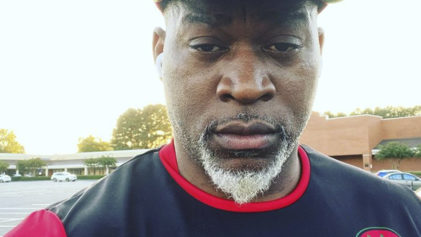
The hip-hop industry and its aficionados can do little to deny the South’s influence and contributions, still, according to activist rapper David Banner, little to no thanks is shown to Southern artists.
In fact, Banner, who is from Jackson, Mississippi, says rappers and producers from the South have their style copied by others with scant reverence shown to the originators.
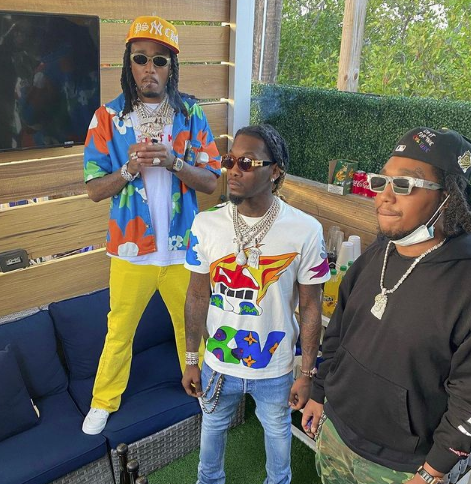
“I watched the whole industry jack the Migosnstyle, jack the way that they rappin’, and then they get on TV and act like they didn’t just rip them boys’ whole style off,” said Banner while appearing on the “HipHop Uncensored” podcast last month.
Migos group member Offset has publicly aired out his own thoughts of the group’s musical influence. In a tweet he wrote, “Thank the MIGOS we changed the game!!!” His comment was met with varied responses, but for Banner the group’s influence is undeniable.
The trio — including Quavo and Takeoff — found their footing in 2013 with their hit “Versace.” Their stamp of influence was further imprinted with their 2017 hit “Bad and Boujee” that inspired an offshoot of rappers with similar styles.
“We just can’t just say ‘Aye, man. Them folks dope,’” said the “Get Like Me” rapper. Part of the problem with the industry is that “We feel like giving people their credit will take away from us, and it don’t,” he added.
When speaking of Master P’s success and the producers who helped No Limit Records thrive, Banner said, “They changed the way everybody did music. Matter fact, I’ve never seen a group of artists who had their own section [in a record store]. I’ll never forget this, it was country, it was blues, rhythm and blues, there was rap, and it was No Limit.”
Yet the New Orleans label is just another example of the music industry not paying homage to Southern trendsetters. And maybe, as Banner suggests, the South should be the first to give its artists flowers instead of waiting for fans from other regions to publicly recognize their influences.
“Southerners don’t give Southerners their credit. And so how is anybody else going to give us credit when we don’t pay homage?” questions the 47-year-old. “As soon as hip-hop moves on from the South I want somebody to come back and remember us. I want somebody to give us credit, and give us love.”