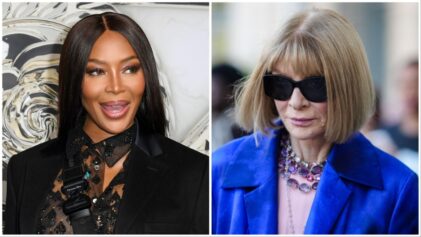
Supermodel Naomi Campbell has been a trailblazer since being discovered at age 15, making history as the first Black model to make the cover ofFrench Vogue in 1988. But even with her undeniable status in the fashion industry, Campbell says experiencing racism early on in her career and remaining mum has been a long-standing regret.
“I should have spoken out more, but back then if you spoke out, people wouldn’t work with you,” Campbell told designer Marc Jacobs during a one-on-one for Interview Magazine.
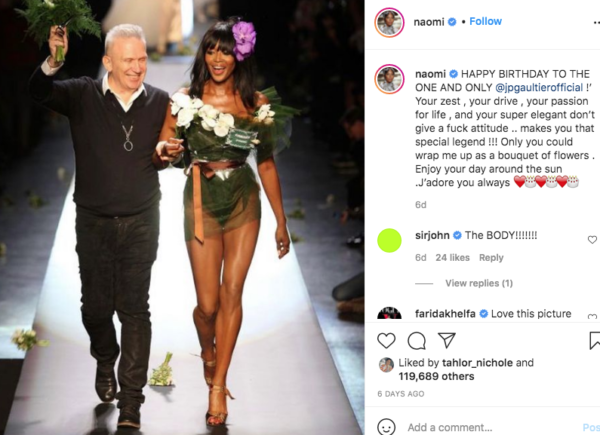
Behind the flashing lights, endless runways and designer threads, Campbell was still a Black woman in an industry dominated by white designers and models. While the London beauty may have stood out for her complexion and beauty, she was far from alone or without guidance. While navigating the industry as a young woman Campbell found guidance from international model Bethann Hardison.
In the late 1960s Hardison sent shock waves through the fashion industry when she went from working in a New York button factory to walking the runway in garments handcrafted by French designers. In 1988, she founded the Black Girls Coalition, a platform providing a voice to Black models, with her friend and fellow supermodel Iman.
“Bethann was my rock,” said Campbell of Bethann’s influence in her life. “Being 17 or 18, I was calling her and telling her everything. She gave me her ear, but she also gave me the courage to speak out.”
But where Campbell was voiceless early on she made up for throughout her 30-plus-year career. As her name grew larger and signature runway walk grew more in demand, Campbell learned to advocate for herself. In some instances that looked like turning down gigs that dare dress her as a stereotypical Rastafarian — Campbell has Jamaican roots — or those that lowballed her pay.
“I still feel like it was right for me to stand up for my rights as a Black woman and not take way less financially than I used to be offered compared to my white counterparts doing the same job,” she said.
While landing certain perfume or makeup contracts would have been a dream come true, saying no and keeping her integrity by far valued more than any monetary compensation she could receive.
“I didn’t want to accept something that was degrading to myself and to my culture.”