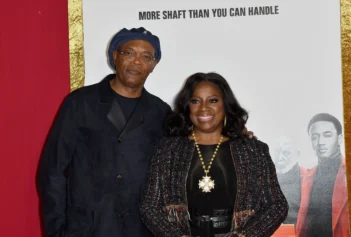
Samuel L. Jackson is combining his interest in history and the ocean for a new docuseries on the trans-Atlantic slave trade. The actor appears in the series and executive produces it with his wife, LaTanya Richardson Jackson.
The project, titled “Enslaved: The Lost History Of The Transatlantic Slave Trade,” airs on Epix and features a team of divers who use newly developed diving technology to locate six sunken slave ships in Florida, the Caribbean, and the U.K.
The dives then lead to a further look into the African slave trade, its business and the events that took place around that time.
“The director told us that they had identified these ships that had gone down and started telling me where they were and what it meant, that some of them had enslaved people on them,” Jackson told the Hollywood Reporter. “And one in Michigan was a liberation ship that was taking people from some point here in the U.S. to Canada. I wanted to be a part of that of course.”
Reportedly, there were 12.5 million Africans trafficked in the trans-Atlantic slave trade between the 17th and 19th centuries, with over 2 million Africans dying at sea.
Jackson said that despite many knowing about some of the atrocities associated with the slave trade, examining sunken slave ships provides a new perspective into what happened during that era.
“We are always talking about what happened to the enslaved people once they got here [to the United States] and what that history is, and it turned out to be totally intriguing in terms of them leaving the business aspect of it, learning new things about how these people were insured and what kind of people were commissioning these ships,” the actor explained.
In 2012, on PBS’ “Finding Your Roots,” Jackson learned that his ancestry traces back what is now the west-central African country of Gabon and the Benga tribe, something that he’ll delve deeper into on “Enslaved” by traveling to Gabon.
It’s been reported that almost half of the captured Africans who were trafficked to the United States came from the west-central Africa region that includes Angola, Congo and modern-day Gabon, while many others also came from the Senegambia region.
“The horses were valued at more than the humans that were on those ships,” he added. “There are certain ships that were going down that nailed the hatches shut so that there would not be a rebellion as the ship was going down and they abandoned the ships and let the cargo, or the people, on that ship go down.”
“Enslaved” premiered in mid-September and will air its fourth episode on Monday, Oct. 5.