Several Black Denver high school students are leading a movement to start conversations about Black identity and race relations and make Black history more accessible to students and members of the wider community.
After an October trip to the National Museum of African-American History and Culture in Washington, a group of students at Dr. Martin Luther King, Jr. Early College realized how essential the knowledge of Black history was to understanding their own identities. In December they established the Black Student Alliance and began to work on a project that would help students learn more about Black history.
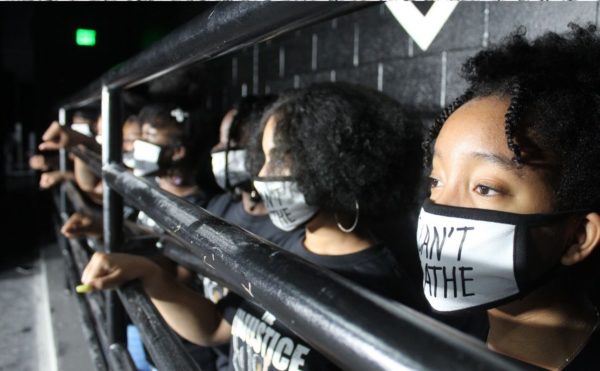
“It’s sad that we had to travel 1,000 miles away to learn about ourselves,” said DMLK senior Alana Mitchell to KRDO News. “And if we hadn’t traveled 1,000 miles away, where would we be right now?”
The project, called “Know Justice, Know Peace, DMLK’s The Take” is a podcast series created by four students, including Mitchell, senior Jenelle Nangah, and sophomores Kaliah Yizar and Dahni Austin. The students announced the podcast on June 19, and the first episode aired on July 4 with an episode called “Your Independence is Not Ours.”
“People all over should be able to know about this, because our voices do matter and we have some really good insight about topics that people need to hear,” said Yizar to the Colorado Sun.
After the death of George Floyd, the teens wanted to protest, but the DMLK Principal Kimberly Grayson was concerned about their safety. Ultimately, the students decided to use their voices in another way, and started the podcast.
“I think we all want to call out the injustice and the things that Black and brown people have normalized in their lives and things that should not be normalized because it’s detrimental to a person to think things like that are OK,” said Nangah.
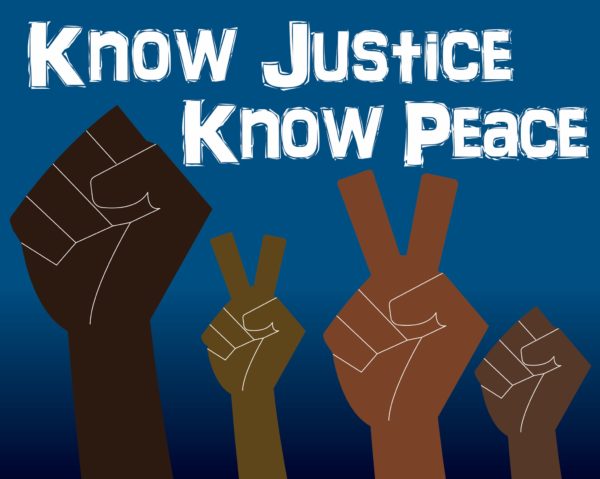
Once a week, episodes of the podcast are livestreamed on the school’s YouTube channel. Topics have included a range of issues relating to Black history, equity, and the civil rights movement.
The students have also met with school leaders to voice concerns over the lack of diversity in the Denver Public School System’s curriculum. Last month, they sat down with DPS Deputy Superintendent of Academics Tamara Acevedo and other administrators to discuss including more Black history in the curriculum.
So far, the students have secured a commitment that one expanded Black history course be taught at DMLK.
Yizar said she believes its important to learn about history so that the same mistakes and injustices of the past are not repeated in the future.
“Without knowing our history and what could have made things go better, it allows history to repeat itself,” she told the Patch. “When we allow history to repeat itself, we are relying on the next generation to come up with something new.”