To send children to school or not send them to school.
That’s a question that many parents across the U.S. are now asking themselves, as a national discussion rages on about whether to reopen physical classrooms during COVID-19.
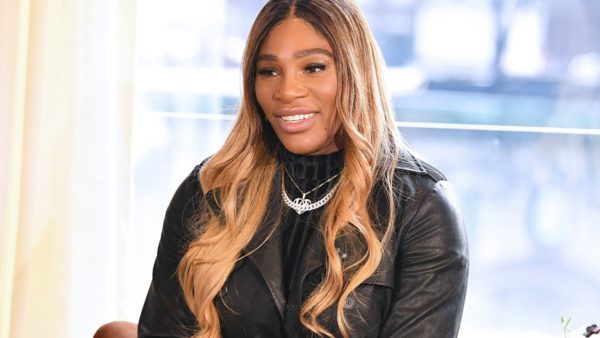
For those children who do walk into class this school year, they could be given a mask that was provided by Serena Williams and others. The tennis star announced on Instagram that she’s helping to distribute more than 4 million masks to students in underserved areas this fall, in a program called “Mask for Kids.”
Williams partnered with fashion retailer Bella+Canvas for the initiative, as well as Scholastic and the National School Board Association. The group is also helping to donate educational materials about masks to schools all across the country.
“Getting back to school this fall means having #masksforkids to wear,” Williams wrote in a caption of an animated video, posted on Wednesday, July 29. “I’m teaming up with @bellacanvas, the National School Board Association and @scholasticinc to donate 4.25 million masks to underserved schools and provide educational materials about masks to 54 million students” in U.S. schools.
“Through the #MasksForKids program, schools can access affordable masks and educational materials, quickly,” she added. “In addition to donating 4.25 million masks, another mask will be donated for each one purchased by the schools. I’m grateful to be able to help educate our schools about this resource, and to be given the opportunity to serve so many students.”
The New York Times reports that school districts like Dallas, Texas, and Hillsborough, Florida, are preparing to have elementary school students attend class in person this fall, while New York City — the country’s biggest school system — will have students learn online and in the classroom.
But there will be 15 of the 20 largest school districts in the U.S. that are expected to solely hold class online this school year, according to the trade publication Education Week.
After Williams made her announcement, it didn’t take long for people to thank her for the donation.
“I applaud your initiative, as a teacher, it is appreciated ❤️,” wrote one educator.
“This is amazing and laudable ♥️♥️,” a second person commented.