Michael Strahan is spilling the beans about an undesirable work environment that made him feel that as a Black man, he couldn’t speak his mind.
Strahan was part of a town hall meeting on racism held on June 4 with his fellow ABC colleagues and Disney employees.
During the discussion, the former NFL star said he felt like he couldn’t “speak up and raise his voice” during tense moments with executives, because as a Black man he didn’t want to seem threatening.
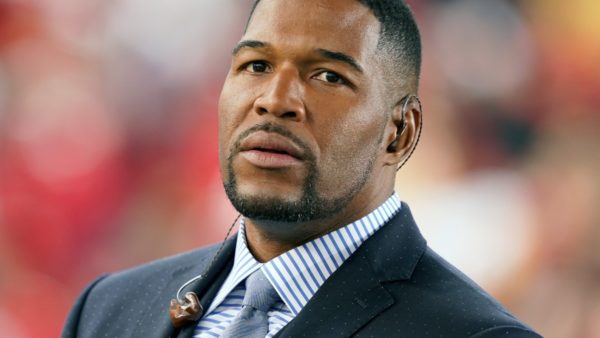
A source for the New York Post said Strahan was talking about “Live with Kelly and Michael,” a show that he co-hosted with Kelly Ripa until he left for “Good Morning America” in 2016.
“Michael said that there were some very tense situations with executives who got argumentative and loud on the show, and he was very aware he couldn’t speak up or raise his voice as he was worried he would be seen as threatening,” said the source.
Reportedly, Strahan and Ripa had a major falling-out over his departure.
He didn’t mention her or “Live with Kelly and Michael” at the town hall, but an insider said it was obvious that he was talking about the show.
However, Stahan did talk about Ripa during an interview with The New York Times earlier this year and said working with her was far from ideal.
“I’ve had jobs where I got there and felt like, ‘Wow, I didn’t know I was supposed to be a sidekick,’” he said. “I thought I was coming here to be a partner.”
The town hall on race came during ongoing protests in the United States over George Floyd, the Black man who died on Memorial Day after a Minneapolis police officer pushed his knee into his neck, something that Strahan addressed June 4 on Instagram.
“I don’t get it. I don’t understand it, mad as hell about it,” he said. “Because we continue to have these same conversations, and at the end of the day, there seems to be no resolution. No justice. No finish and I think that’s the frustrating thing. … It’s very hard as a Black man why the color of your skin makes people scared of you.”
News about Strahan finding it difficult to speak up at work as a Black man, comes days after a report in HuffPost said that a senior executive at ABC, responsible for recruiting on-air talent, was placed on administrative leave for allegedly making racist statements at work against people like Robin Roberts of “GMA” and “The View” co-host Sunny Hostin.