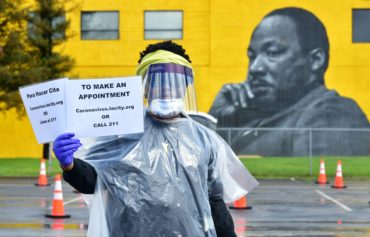
Detroit reached 1000 coronavirus deaths this week, roughly equaling New York City for the most deaths per capita.
An additional 20 deaths this week took the city over the threshold, according to The Detroit Metro Times. As of Thursday, 1,008 Detroit residents have succumbed to the virus.
“It’s a total that is unimaginable,” Detroit Mayor Mike Duggan said during a press briefing on Wednesday. “We’re pretty comparable to New York in the number of residents we have lost.”
Duggan estimated about 10 percent of Detroit residents have contracted the COVID-19 virus, but a slow testing system prevents certainty. There have been 8,954 confirmed diagnoses, which accounts for 1.3 percent of the population.
“We’re going to ramp up our testing so every resident who wants one can get one,” Duggan added.
The figures mean Detroit is experiencing 146 deaths per 100,000 residents. In comparison, New York has 76.2 deaths per 100,000, per The New York Times, while New York City, the epicenter of the outbreak in the United States, has roughly double that number of per capita deaths. Like other communities across the country, Black Michiganders have been disproportionately affected by the virus.
Detroit’s population is 80 percent Black and the area responsible for most Michigan’s coronavirus cases, reported MLive.
Michigan Chronicle publisher Hiram E. Jackson claimed the pandemic “was tailor made for devastation in the black community as we are structured now.”
“Most of us live in urban environments where the population is dense,” he added. “Many of us depend on buses for mass transit in Detroit; 35% of the residents don’t have cars.”
Additionally, Black people are overrepresented in the service industry.
“We see that. We also see that many people are in the service fields, they’ve got to be out on the front lines, and so they get a lot of people that may be infected that come along and infect them,” longtime Detroit resident Dr. Blandina Rose explained to MLive. “What it really does is point out the inequities in this society that weren’t solved before the pandemic, and so we’re victims of inequities once again.”
Black people make up only 13.6 percent of Michigan’s population but 32 percent of diagnoses and 40 percent of virus deaths.
Detroit-based journalist Biba Adams lost her mother, grandmother and aunt to coronavirus. They were 70, 89 and 72 years old, respectively.
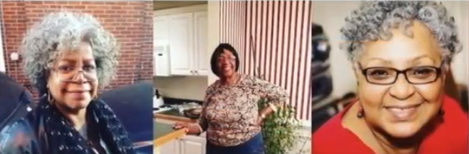
She argued the buck stops with the federal government.
“My mother, my aunt, my grandmother — these are three black ladies from the west side of Detroit,” Adams told WXYZ. “They had not touched anybody from China. I do believe for the entire month of February the U.S. did not take action.”
Keith Grambell is under quarantine due to the virus. He lost his father and grandfather to COVID-19, and his mother and brother have been diagnosed. The fallout has been traumatizing.
“Why isn’t there enough testing in the areas that are mostly impacted, which are black areas?” he asked during an interview with The Detroit Free Press.
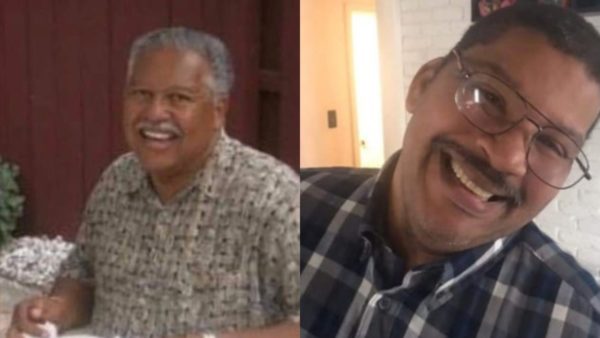
“This coronavirus is gonna cause so much PTSD for people. It’s sad,” Grambell continued. “There’s going to be a major fallout after this. It’s not right at all. … I don’t try to put color on things and say, ‘Oh this is black or this is white.’ I don’t do that with anything in my life, but when you see it, you have to call it how it is.”