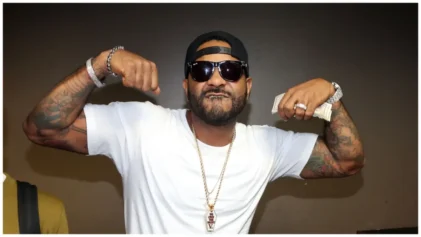
Jim Jones didn’t like how he was treated in a Bergen, New Jersey, Target recently, and he talked about it Wednesday, March 19, on Instagram Live.
Jones said he went to the Target to purchase supplies since people are staying inside because of the pandemic, and he said a black male store manager harassed him.
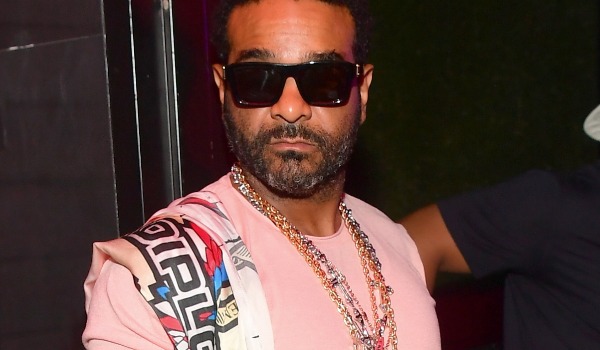
“I am inside a Target in the Bergen Town Center. I was shopping for supplies like everybody else,” Jones explained. “A manager been following me around since I walked in this m———–r and asked me what I’m doing, why I’m messing up the store? My job is to shop, your job is to fix the store.”
“It’s been over 15 minutes [since] I asked to speak to a manager inside of Target in Bergen Town Center,” Jones continued. “One of the biggest Targets inside of Jersey, I believe, and I can’t get a manager to come out and talk to me. This is preposterous.”
Right afterward, a female manager came out, and Jones told her what he just experienced: That he was followed by the male manager and was told there weren’t any other people in charge to speak with.
“Why was your manager following me around the store?” Jones asked the female manager. “I feel like I’m being profiled by another black man. That’s terrible, so I just want to know what is the protocol here for your staff to follow around people? I feel like I’m back in the streets where they do illegal stop-and-frisk procedures.
“It doesn’t feel good that I can’t shop in Target in the midst of a pandemic with everybody going crazy around here,” he added. “Now, we got people extra policing inside Target because I dropped a rug on the floor.”
The female manager then offered to help Jones find his items, but he declined since he had everything. A bit later, he recorded himself paying for his things, which came up to $391 and change.
Then, once Jones was in the parking lot, he spoke about the male manager some more.
“N—-a ain’t want to pop out,” he said. “I’ll give him straight suburban beef. Give that n—-a private home beef. He ain’t ready for that. I’m the wrong homeowner.”
Later, a lot of people weighed in on the incident in the video’s YouTube comments section.
“It would have been a different outcome if Chrissy was with him,” wrote one person, who brought up Jones’ longtime mate Chrissy Lampkin.
“You did the right thing and handled it right,” another person commented. “You’ve to get people in place without a fight.”