The United Kingdom’s conflict over deportation flights has ruined one man’s life.
Chevon Brown was 14 years old when he immigrated to Britain from Jamaica. He lived as a normal citizen until a driving offense changed his life. In 2016, Brown was caught speeding at over 100 mph in an uninsured car and charged with dangerous driving.
He spent seven months in prison, but the issue didn’t come up again until three years later, when he was arrested by immigration enforcement. Brown was deported back to Jamaica last February.
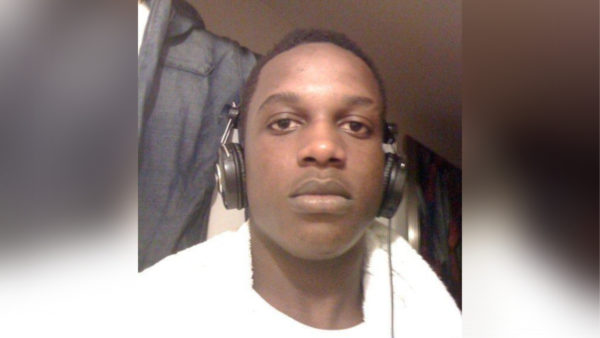
“I admit what I did was wrong. I know I am guilty of dangerous driving but it wasn’t a stolen car; nobody was hurt, I didn’t crash into anything, there was no damage,” he told The Guardian. “I feel I was treated unfairly. I know a lot of English people who commit driving offences and don’t get classed as serious criminals.”
Brown’s closest relatives, his father and three younger brothers, remain in England. He’s currently staying with a friend of his father and has been looking for work. Unfortunately, there is a stigma attached to being a deportee.
“I have been labelled as a murderer and a drug trafficker and a rapist,” he said. “I sound English; when I give people my CV they ask why I’m not going back to England and if I’ve been deported. You can see that they don’t want you. There is a strong level of stigma.”
The stigma also reaches across the pond. The Home Office, the English agency responsible for immigration and security, has been embroiled in a scandal over wrongful deportations to the Caribbean since 2018. There has been debate over whether people who spent their formative years in the U.K. should be deported, as the BBC reports.
David Lammy, member of the British parliament, blasted the British government for shipping people back to Jamaica despite the Home Office issues.
“We are almost now two years on and people watching see the way this government holds in such disrespect the contribution of West Indian, Caribbean and black people in this country,” Lammy said on Monday. “When will black lives matter once again?”
Seventeen people were deported last week, despite a last-minute court decision that saved 25 others from being flown back to Jamaica. The court ruling was based on concerns some detainees could not access legal advice due to shoddy cellphone signals.
As the government sorts it out, people like Brown are left in limbo.
“What has happened has caused me grave pain and depression,” he said. “I feel like I have been ripped apart from my family.”


