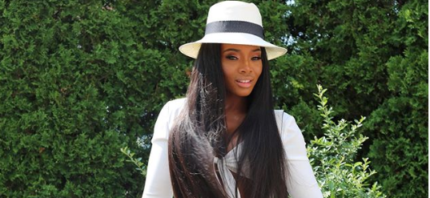
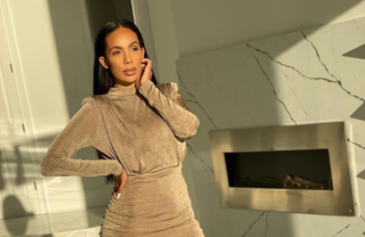
Rah Ali is known to fans for her stint on VH1’s “Love & Hip Hop: New York,” but earlier this year a life-changing moment put her in a unique position in the public eye.
The radio host and TV personality suffered a late-term miscarriage.
Speaking to Atlanta Black Star about the loss of her daughter, Ali candidly explained what it took for her to move forward after the devastating moment that occurred on May 26, 2019.
The star explained that losing the baby she named Sanaa was “so traumatizing” because “I had a very easy, calm, amazing, wonderful pregnancy.”
“The most I really did was sleep,” she continues. “So there was no warning there. I felt like everything was great. That day, I had contractions and before I knew it, I was in the hospital and finding out such horrible news. It was very, very hard to deal with. If it wasn’t for me to be able to have that therapy process and having the support and the women telling me, ‘This is what happened to me,’ I wouldn’t have found out that 1 in every 4 pregnancies is a loss. Those numbers are not ever really presented to us — especially as women of color.”
Ali said she spent a lot of time “screaming and crying” when she lost Sanaa. She urged women to express their emotions, not stifle them, in the same situation. After a brief bout of anger — Ali says her doctor “went through with a lot with me” when she demanded to see her — she began “looking for an explanation” and took it upon herself to do some research as to why her miscarriage occurred.
“It was really hard for me because I’m so strong, I really am,” she says of the miscarriage. “And I’m usually just like, ‘C’mon, let’s just go.’ But that was something that affected me in a way that nothing ever has. And the support from the people who knew about it, which was the public, it really was helpful to me and therapeutic.”
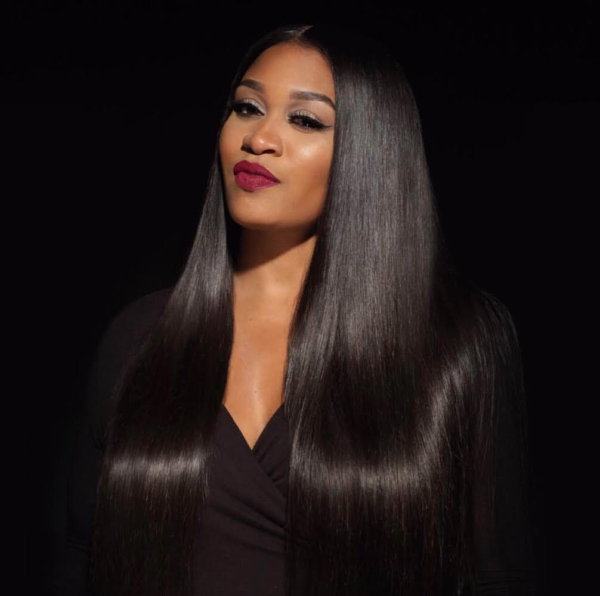
That therapeutic experience was something Ali had to point out to her team. After she did, they paired her up with the organization called National Share. The mission of the group is to “serve those whose lives are touched by the tragic death of a baby through pregnancy loss, stillbirth, or in the first few months of life,” according to the official website.
Together with National Share, Ali says they are able to “figure out ways to help other people the way everyone helped me.”
Yet that doesn’t mean the pain of losing Sanaa has dwindled.
“It’s still something that I deal with every single day. I think that it doesn’t ever leave you; it becomes a part of who you are,” Ali says. “But if you’re able to figure out ways to release whatever it is that you’re feeling inside, that’s the process of healing.”
For women who have grieved losing a baby, Ali acknowledges that it’s different for everyone and all women have their own unique process.
“There’s different points in which that could happen. Sometimes people have early miscarriages and it still affects them,” she explains. “Sometimes people are further along than I was — I was five months, four days and I had to actually deliver her, hold her, stay the night with her and then she had to go.
“So there’s no advice that anyone can give a mother on how to deal with the loss of her baby,” Ali continues. “She just has to grieve and heal. She just has to. It’s just like anything else.”