WNBA player Cappie Pondexter revealed she barely makes a six-figure salary compared to her male counterparts in the NBA, who rake in millions every single year. The Indiana Fever player vented to TMZ about the gross pay disparity, saying it’s time female players are paid what they deserve.
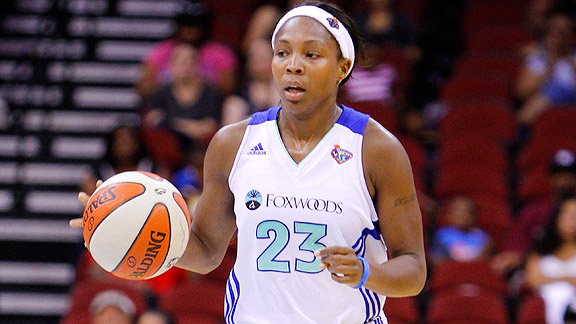
Cappie Pondexter said she’d be willing to go on strike to demand higher pay. (Image courtesy of ESPN)
“It’s just getting out of line now…,” Pondexter said. “I have been in the league for 13 years, making the vet minimum, which for me is $113,000 for the last five years, which is nothing compared to what the minimum is and the maximum is for the NBA.”
“I’m not saying that we have to get what they have, but I think we should see some progress at this point,” she added.
According to Business Insider, the average NBA player makes $6.4 million per year with the Cleveland Cavaliers ranking as the highest-paid sports team in the entire world. Meanwhile, a 2018 report by The Conversation found that WNBA players earned an average of $71,635 last year but saw a slight bump in pay this year, pushing the average salary closer to $75,000.
As Pondexter pointed out, the maximum veteran salary for WNBA players is $113,000 — compared to the NBA’s minimum player salary of $838,464.
The star basketballer told TMZ she’d be willing to take part in a league-wide strike for higher pay if other veteran players were on board.
Fellow WNBA player Skylar Diggins-Smith has also sounded off about her displeasure with the gaping pay differing between NBA and WNBA players.
Speaking to WealthSimple, Diggins-Smith said “It’s unfortunate that men make more money for the same amount of work, or even less work. Players in the NBA get about 50 percent of the revenue. For women, the percentage is in the twenties …, which is kind of unbelievable.”
“People try to hijack this issue and say that women’s basketball may not be as interesting a game, because they disparage women in sports, period,” she added. “But we don’t even make the same percentage of revenue!”
The Dallas Wings player also revealed that she’s had a top-five selling jersey for three or four years now, but doesn’t get a dime from the sales.
“It’s ridiculous,” she said. “Shame on them not to put us in positions to be successful when we have the best product. Change has to start within our league.”
Watch more in the video below.


