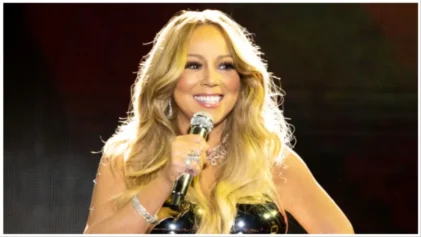
(Photo by Jeff Kravitz/FilmMagic for Mirage Entertainment)
Mariah Carey earlier this year, opened up about her bout with bipolar disorder. And in a recent sit-down, she opened up about the roots of the condition and revealed a stunning secret.
According to the singer, who is prepping for a Christmas tour in Great Britain, an identity crisis during childhood played a part in the development of the disorder.
“It was a combination of being biracial and experiencing the darker side of life,” she told The Guardian Friday, June 1. “My mom experienced a lot of racism as an opera singer because she was married to a Black man. Again, it’s impossible to encapsulate that in this setting.”
The singer once told a story of how she had a friend visit her home as a child and upon seeing her father, the pal shrieked.
“She burst into tears because she had never seen a Black person. I just remember how that impacted on me,” said Carey, who was mistaken for being white as a kid.
When asked if she wished she had darker skin, the star responds candidly.
“Of course! But what can I do? I can’t go in the sun,” she said. “I had to go through so much in my childhood just to feel accepted and feel worthy of existing on Earth because I felt so different from everybody else growing up, because I was biracial, because I was so ambiguous-looking and because we didn’t have the money to escape whatever the everyday realities of life were.”
“I have very low self-esteem,” she admits before adding there was a time when she unambiguously liked herself. “I like myself when I record a song and listen back to a bit and feel good about everything about it. There’s a sense of accomplishment in the work.”