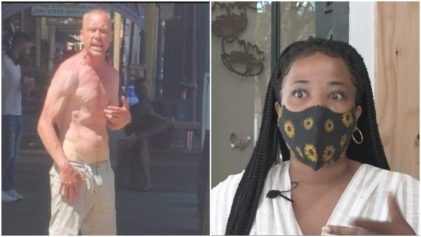
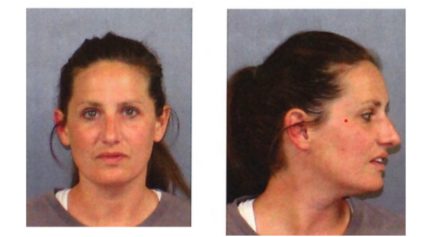
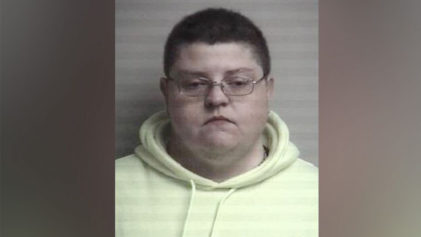
Police say Diante Yarber, 26, accelerated toward officers when they tried to stop him. (Image courtesy of Brittany Chandler/The Guardian)
One of the officers involved in the fatal shooting of California man Diante Yarber, 26, was previously charged with a hate crime and booted from the force, according to documents obtained by The Guardian.
A department spokesman with Barstow police confirmed Monday that officer Jimmie Alfred Walker was one of the cops involved in the April 5 shooting, in which Yarber was killed in a barrage of bullets in a Walmart parking lot just outside Los Angeles. The father of two was believed to be unarmed.
Since the shooting, court documents revealed that Walker, who is white, was charged with a hate crime and battery in 2010 after the then-30-year-old officer hurled racial slurs at a man and assaulted him and a woman in an off-duty scuffle. Walker ultimately pleaded guilty to misdemeanor charges of fighting in public and public intoxication. The battery and hate crime charges were dismissed, however.
As part of his plea deal, the officer was forced to attend Narcotics Anonymous meetings and give a $200 donation to the NAACP, according to court documents. The Victorville Daily Press reported at the time that Walker was terminated as a result of the incident, but was reinstated after an arbiter determined his firing was wrongful. The city was eventually forced to pay Walker $163,000 in owed wages.
For Yarber’s grieving family, the hate crime revelation only proves their suspicions that their loved one was targeted and shot because he was Black.
“It’s really disheartening that we have these demonic people out there claiming to protect and serve … What they did was nothing short of evil,” said Marlon Hawkins, 41, who was in the passenger’s seat when police opened fire on the crowded car.
Police claimed Yarber was “wanted for questioning” in a stolen car case and were responding to reports of a “suspicious vehicle” at Walmart when the deadly incident unfolded. Authorities said Yarber’s car suddenly reversed and hit a patrol car before accelerating toward officers, prompting them to open fire. Blurry video of the incident taken by a witness captured what sounded like 30 bullets being fired in rapid succession.
The young man’s family has denied police claims, however, saying the Yarber was driving was never reported stolen. They said he was only driving his cousins and their friends to the store when he was gunned down that morning. Family attorney Lee Merritt said Yarber was struck at least “two dozen times” and accused officers of failing to render medical aid to the young man after he was shot.
Yarber’s death is the latest incident to shed light on police use of excessive lethal force against Black Americans, coming just weeks after police fatally shot Sacramento man Stephon Clark in his grandparent’s backyard on March 18.