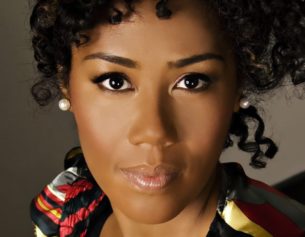
The number of businesses majority-owned by Black women grew 67 percent between 2007 and 2012, the report showed. (Photo by Jose Louis Pelaez/Getty Images)
Despite systemic barriers that disproportionately isolate them from venture capital, African- American women are still the fast-growing group of female entrepreneurs, according to the latest consumer report from the Nielson Company.
The report, fittingly dubbed “African-American Women: Our Science, Her Magic,” measures the consumer, entrepreneurial and political prowess of Black women and their influence on all things pop culture, advocacy and media.
Citing data from the 2015 U.S. Census Survey of Business Owners, the report showed that the number of businesses majority-owned by Black women grew 67 percent between 2007 and 2012, compared to 13 percent for ones owned by white women and 27 percent for all women. African-American women now head more than 1.5 million businesses throughout the U.S. with over $42 billion in sales and $7.7 billion in payroll.
Industries with the largest number of Black female majority-owned firms include non-specified services (30 percent), health care, social assistance (28 percent) and waste management and redemption (10 percent), among others.
The report noted that though just 4 percent of Black women are self-employed, 84 percent said if, given the chance, they’d be their own boss.
“While [#BlackGirlMagic] started as a social media hashtag and a rallying call for Black women and girls to share images, ideas and sources of pride in themselves and other Black females, it has also become an illustration of Black women’s unique place of power at the intersection of culture, commerce and consciousness,” researchers wrote.
Other highlights from the Nielson report include:
- With a mean age of 35, Black women are younger than their non-Hispanic White counterparts. They are also less likely to get married, with almost half (49 percent) of Black women having never been married, including 81 percent of Black millennial women.
- The education levels and income of Black women have both increased over the past decade, with 23 percent of Black women over age 25 now having completed at least a bachelor’s degree, and 14 percent of Black women earning an annual income of $50,000 or higher.
- Black women over-index for time spent on social networking sites, using social media more for consumer engagement activities, and social movements adapting their use into communities such as #BlackGirlMagic.