University of Alabama gymnast Aja Sims’ hip hop-influenced floor routine was praised as #BlackGirlMagaic, but several non-Black fans took offense to the proclamation.
Sims, a 21-year-old senior at the university, danced and flipped her way through her exercise against Louisiana State University, Friday, Jan. 13, earning a score of 9.90. It was one of the Tide’s highest tallies and though AL.com reported the team didn’t beat LSU, Sims’ routine was still a crowd pleaser as the home audience cheered during her performance.
Her effort was posted on Unstripped Voice‘s Facebook page Tuesday, Jan. 24, and captioned, “When you put Hip-Hop in gymnastics. A new day is coming. Near-perfect score of 9.90 for Alabama’s Aja Sims. #NCAA #BlackGirlMagic.”
The last hashtag rubbed some viewers the wrong way, leading them to question the necessity of highlighting Sims’ race and culture.





At least one Black person agreed.
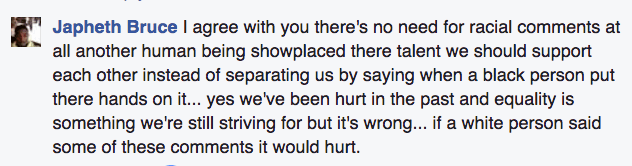
Another commenter judged her use of hip-hop dancing.

Several others defended Sims use of hip-hop as a celebration of Black culture.



Some scoffed at the idea that race wasn’t important.


Many others embraced Sims’ display of Black Girl Magic.






The celebration of Black Girl Magic in gymnastics follows the 2016 Olympic Games that saw criticism and celebration of Team USA members Simone Biles and Gabby Douglas. Biles was largely praised for her history-making feats, including earning four gold medals in individual and team competitions. The wins led her to become the first female gymnast to win four golds in one Olympics and the Associated Press named her the Female Athlete of the Year in 2016.
Douglas was criticized for seeming to show poor sportsmanship when Biles won gold in the women’s individual all-around Aug. 12. The public also reignited the 2012 criticism over her hair and judged her more serious demeanor. In December, Douglas told Teen Vouge such criticism got to her.
“Every single day, I’d come back to the village after every single training practice and I literally bawled my eyes out,” Douglas said. “I would cry and cry and cry because people were being so mean.”