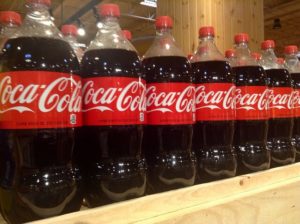
Coca-Cola 2 liter bottles (Mike Mozart/Flickr)
Coca-Cola and its trade group American Beverage Association are being sued by a nonprofit over allegations they have tricked the public into thinking the sugary soda doesn’t negatively impact health, only lack of exercise does.
The Praxis Project, a group that looks to create healthier communities, filed the lawsuit in a California federal court, Wednesday, Jan. 4. According to the documents obtained by the Center for Science in the Public Interest, plaintiff Praxis alleges that defendants Coca-Cola and the ABA pointed to a lack of exercise rather than drinking sugary beverages as the cause of increasing obesity rates in the nation. It continued by stating the defendants misrepresented reports that have confirmed sodas are linked to issues like Type-2 diabetes, heart disease and obesity.
Other accusations in the suit say Coca-Cola and the ABA paid experts and nutritionists to downplay the risks of consuming the beverage. The documents stated Coke ran op-eds, columns and blogs supporting the notion, with one article by Professor Baylen Linnekin declaring “key data shows the lack of a causal link between soda consumption and obesity.”
On the advertising end, Praxis’ filing accuses Coke of tricking buyers by using phrases like “balance” and “calories-in, calories out” to promote exercise as a culprit for poor health. And in a comparison to the tobacco industry, the nonprofit said the defendants market their products to youth by using celebrities and cartoon characters “despite a pledge not to do so.”
Both the ABA and Coca-Cola have recognized the lawsuit and the latter issued a statement to Quartz, noting Praxis’ claim is “legally and factually meritless.”
“We take our consumers and their health very seriously and have been on a journey to become a more credible and helpful partner in helping consumers manage their sugar consumption,” the statement read. “To that end, we have led the industry adopting clear, front-of-pack calorie labeling for all our beverages. We are innovating to expand low- and no-calorie products; offering and promoting more drinks in smaller sizes; reformulating products to reduce added sugars; transparently disclosing our funding of health and well-being scientific research and partnerships; and do not advertise to children under 12.”