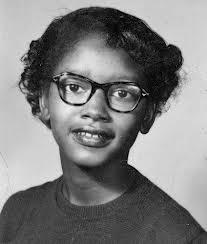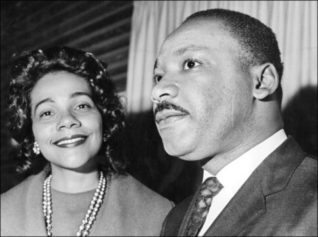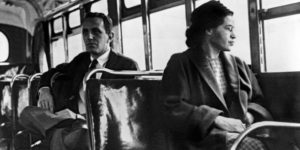
On this day in history, Rosa Parks famously refused to give up her seat on the bus. However, she did far more than what most people know her for.
The narrative of Rosa Parks in many history books does no justice to a woman who is one of the most famous Americans of the 20th century. After her death in 2005, she became the first woman, first civilian and second African-American to lay in honor at the United States Capitol.
During Parks’ memorial service, her legacy was minimized to a single moment on a Montgomery bus in 1955. That moment ignited the Civil Rights Movement, but it also shamefully immortalized her in history as a meek, old, tired woman who just sat down on a bus. The New York Times called her “the accidental matriarch of the civil rights movement.” But this is wrong. This was not an accident, it was yet another accomplishment for a woman with more than six decades of activism under her belt, beginning with the Scottsboro Boys in 1931. Here are more facts about her that most people do not know.
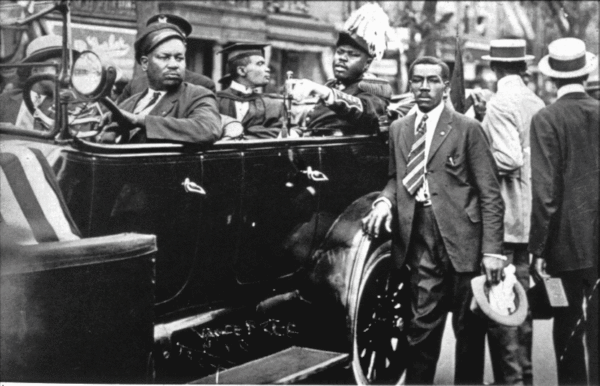 1. Rosa’s grandfather was a follower of Marcus Garvey and his Pan-African movement. One of her first political memories was sitting on the porch with her grandfather, who had his shotgun in hand as he protected their home from the Ku Klux Klan. She would sit with her grandfather because “[she] wanted to see him [shoot] a Ku Kluxer,” Park said.