Haiti’s Long-Delayed Presidential Election Likely to Require Another Round of Voting

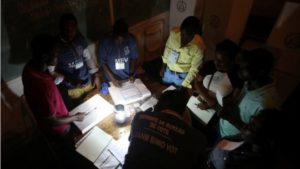
Electoral workers are seen during the counting at a polling station as Haiti holds a long-delayed presidential election after a devastating hurricane and more than a year of political instability, in Port-au-Prince, Haiti, November 20, 2016.Image copyrightREUTERS Image caption Electoral workers were counting votes by the light of a lantern in the capital, Port-au-Prince

REUTERS
Electoral workers were counting votes by the light of a lantern in the capital, Port-au-Prince

Officials in Haiti have begun counting the votes cast in Sunday’s much-delayed elections.

The process is expected to take at least a week as officials tally the paper ballots by hand.
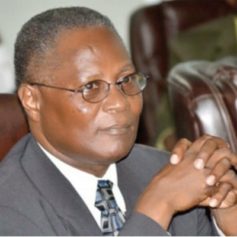
The election was delayed for more than a year after the results of the October 2015 vote were thrown out following allegations of widespread fraud. After President Michel Martelly’s mandate expired in February, Jocelerme Privert was named interim leader.

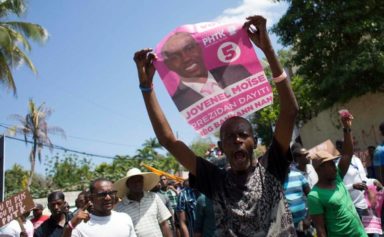
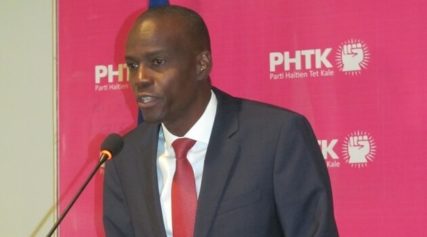
The Caribbean nation is choosing a new president and lawmakers. The presidential election will probably go to a second round on Jan. 29 as none of the 27 candidates is expected to gain the 50 percent total necessary to win outright in the first round. Exit polls suggested Jovenel Moise, 47, had an early lead, but supporters of Maryse Narcisse said their candidate was ahead.

Moise enjoys the backing of former President Martelly and belongs to his Parti Haitien Tet Kale (Haitian Bald Head Party). The banana exporter won the first round of presidential elections held in October 2015 but following allegations of fraud, those results were annulled.

Narcisse, a doctor, has the backing of Haiti’s first democratically elected president, Jean-Bertrand Aristide, and is one of two women running for the top office.

Whoever wins the election will face the challenge of reconstructing a country that has been ravaged by natural disasters. The most recent, Hurricane Matthew, destroyed 90 percent of some of Haiti’s Southern areas. One voter in that region told Reuters news agency that what people there needed was “aid after the hurricane, because everything was lost.”

An appeal for donations by the UN has so far failed to raise even half the sum it set out to reach.

Read more here
Democracy needs journalism it can trust.

This election season, the stakes are higher than usual — and so is the pressure on newsrooms to soften their coverage, stay quiet, or just disappear. Independent reporting, the kind that answers to readers instead of advertisers or political pressure, matters more in a moment like this, not less.

For over 14 years, Atlanta Black Star has stayed independent and reader-funded. We have no corporate owner and no shareholders telling us what to cover or how to cover it. That independence is also our biggest vulnerability: nothing protects it except readers choosing to fund it directly.

Newspaper ad revenue has fallen more than 80% since 2005, and local newsrooms are closing at a rate of roughly two a week nationwide. When outlets go under in a moment like this, it's rarely the independent, reader-funded ones that get to stick around.

We know a request for support isn't why you came here. But without readers choosing to fund this work directly, the depth of reporting we can do at home and abroad shrinks along with everyone else's. If you're not in a position to give, that doesn't change how much we value you as a reader.

If you are able to, a recurring contribution does more for us than a single one-time gift, because it lets us plan the next investigation instead of just the next invoice. It takes about 30 seconds, no long form, no account. Thank you for continuing to support independent journalism and freedom of the press.

Back to top