 One of the top two finishers in Haiti’s disputed presidential vote says he and his supporters will soon hit the streets if no clear signal is given about the fate of next month’s runoffs.
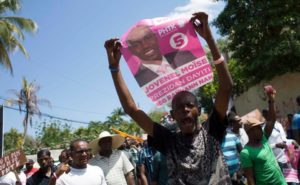
“If on the 24th of March, no clear signal has been sent — and by a clear signal I mean the publishing of an electoral calendar — we will go out and start our campaign,” Jovenel Moïse told the Miami Herald during a visit to South Florida this week. “We will stay in the streets up until we get these clear signals.”
On Friday, Moïse flew back to Port-au-Prince after wrapping up a two-day visit where he met with journalists, students at Florida International University and the Haitian community. The visit came as doubts persist over whether the presidential elections, twice-postponed over allegations of fraud in favor of Moïse, President Michel Martelly’s handpicked successor, will happen on schedule.
Days earlier, Haiti Special Coordinator Kenneth Merten of the Bureau of Western Hemisphere told the Herald’s editorial board that until informed otherwise, the U.S. government has no other choice but to believe that Haiti’s delayed presidential and partial legislative runoffs will happen in six weeks. Moïse echoed similar sentiments.
“We have only one choice,” he said Thursday evening to the crowd gathered inside the Little Haiti Cultural Center, “which is to stand behind the April 24 election date so that on the 14 of May, the people will have a president.
“We are stronger, we are more, we are wiser and we won’t back down,” he added to applause.
It was Moïse’s second visit since he came seeking votes and supporters in November for the then-Dec. 27 runoff.
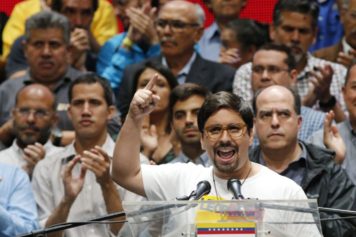
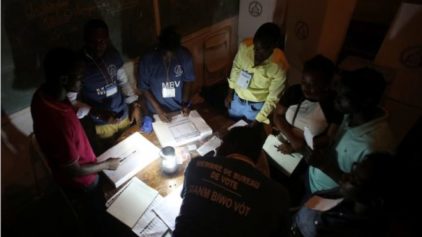
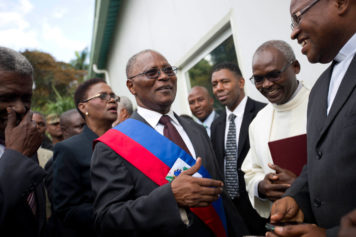
Since the visit, an electoral commission formed by Martelly to evaluate the Oct. 25 first round issued a scathing report on how the process was plagued by fraud and voting errors; the elections were twice postponed; the second place finisher Jude Célestin declared he would not participate and called for a boycott; six members of the Provisional Electoral Council, including its president, resigned; and the former head of the Senate was voted interim president by the National Assembly after Martelly was forced to leave office without an elected successor.
Despite the developments, Haiti remains at an impasse with the electoral council still vacant and interim President Jocelerme Privert unable to get his prime ministerial pick and caretaker cabinet through parliament. Theoretically, the campaigning for the elections should open a month before the vote.
Read more at www.miamiherald.com