By Runoko Rashidi
The first civilization of the Americas is called the Olmec. The Olmec were an early people of Mesoamerica who settled the Mexican Gulf Coast. This ancient American culture has been labeled the first civilization of the western hemisphere, as they surpassed their neighbors in an attempt to settle certain problems of living together — of government, defense, religion, family, property, science and art. In this endeavor, the Olmec laid the foundations of classical Mesoamerican civilization.
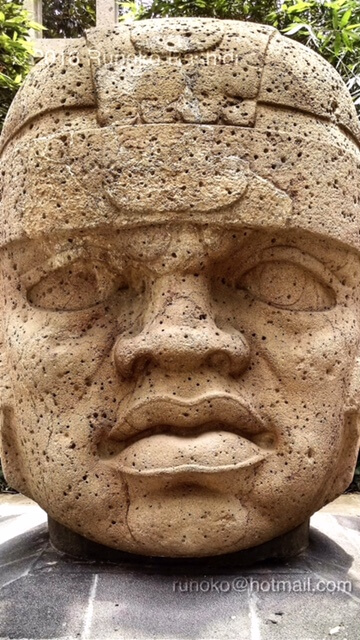
We cannot say with certainty where the Olmec came from or whether they were direct descendants of the indigenous population; but that much of their sculpture, especially the colossal heads, reveals an ancient Africoid presence in the Americas, seems to me, should be beyond clear and sane rebuttal.
While asserting that there was an African presence in ancient America, Ivan Van Sertima did not believe that the land of the Olmec was an African settler colony. Nor did he speak of the African origins of Olmec civilization. Van Sertima held that the African presence among the Olmec consisted of a small but elite and highly influential community.
No scholar in history did more to contribute to our knowledge of the contribution of the African to the civilization of the Olmec than Ivan Van Sertima. And while this book is not focused on the Olmec, I find it impossible to write a book on the Ivan Van Sertima Papers without at least providing a synopsis, an overview, an appreciation and a glimpse of the world through the lens that he provided. So we do it in the form of a brief photo essay — the kind of photos that I think he would have greatly appreciated.
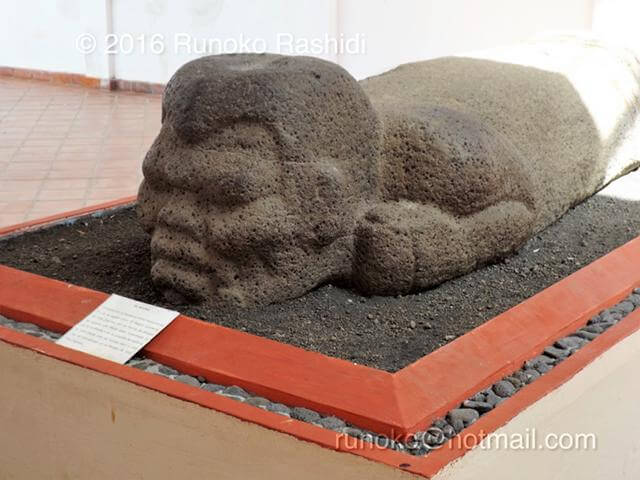
What today we are calling the Olmec civilization flourished in the present Mexican states of Vera Cruz and Tabasco. The high point of Olmec civilization was the eight hundred year period from about 1200 BCE to about 400 BCE.
The great centers of the Olmec world were San Lorenzo, La Venta and Tres Zapotes. San Lorenzo was the first of the three, beginning about 900 BCE. It was the greatest city in the Americas. La Venta came next, beginning about 900 BCE and remaining the most powerful center in the Americas until about 400 BCE. In La Venta was erected a great pyramid — probably at the time the largest such structure in the Americas.
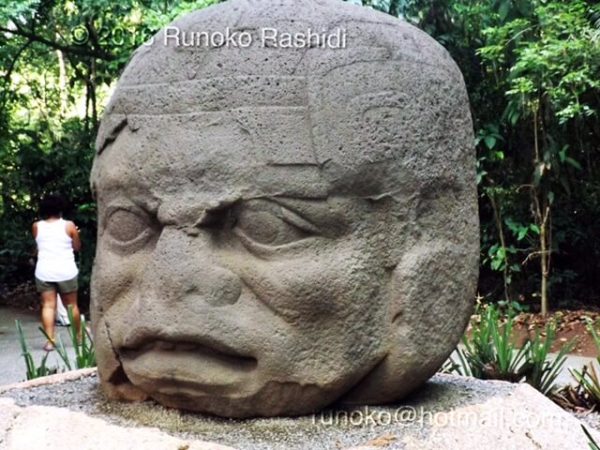
It is important to note that Dr. Van Sertima did not think of the Olmec as an African civilization. He thought of it as a Mesoamerican civilization in which Africans entered at a pivotal period and exerted an influence that can only be described as dramatic.
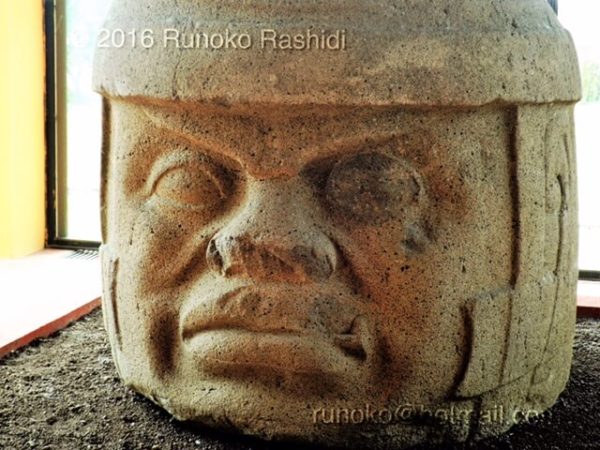
And what stands out the most about Olmec civilization are a series of massive stone heads. There are at least seventeen of these heads and all of them have the features of Africans. We do not know the people depicted in the form of these heads. Ten of these heads were unearthed at San Lorenzo and four more at La Venta. Two were found at Tres Zapotes — the last great Olmec center.
Perhaps those portrayed in the form of these massive heads were rulers, perhaps they were priest-kings. Maybe they were gods. Each of the heads were carved from single blocks of stone. But whoever they were and whatever they were, they were surely, in appearance at least, highly Africoid.
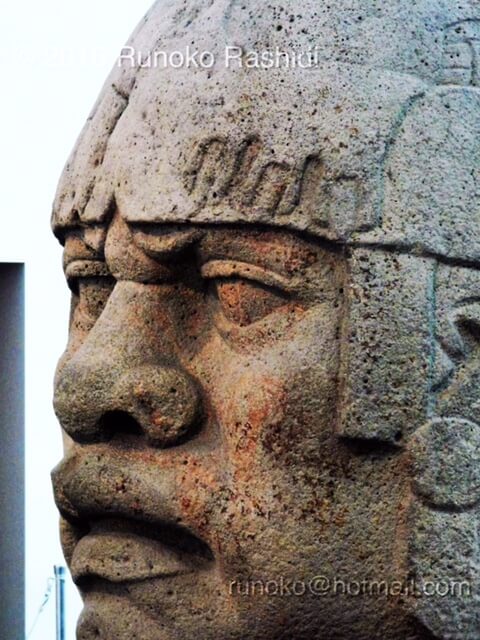
And this was Ivan’s major thrust, his major assertion, what he called his “thesis” — that the African presence in the Olmec world demonstrated that the African first entered the Western Hemisphere not as chattels, not as property, not as merchandise, not as enslaved people, but as masters in control of their own destinies. He was certainly not the first to make the argument but he was clearly the most persuasive and the most articulate. And for this, Ivan Van Sertima, we can never thank you enough! Well done, my brother!
Excerpted from Uncovering the African Past: The Ivan Van Sertima Papers by Runoko Rashidi (London: Books of Africa, 2015).