NPG
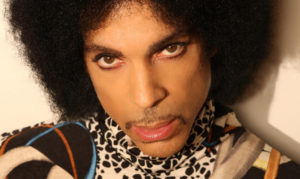
After rumors that drug use contributed to singer Prince’s death, a law enforcement official confirmed that the singer died of an opioid overdose. He was found dead in the elevator of his Paisley Park home April 21 at age 57.
The official broke the news to the Associated Press anonymously because he was not authorized to speak to the media.
Many who were close to the singer believed he did not have an issue with drugs, including his personal chef and attorney. However, Atlanta Black Star reported the star’s representatives brought in a specialist who came to administer life-saving treatment to the Purple One. They contacted Dr. Howard Kornfeld, who is nationally renowned for treating opioid addiction.
While the doctor could not see Prince himself, his attorney William Mauzy said the specialist’s son, Andrew Kornfeld, was sent in his place. He is reportedly a practice consultant at his father’s California-based Recovery Without Walls treatment center.
Andrew Kornfeld was one of the people who discovered the star, dead. He was supposed to meet with Prince that morning.
Previous reports claimed Prince was administered a “save shot” on a red-eye flight back home to Minneapolis the week before he died. Prior to that time, Fox News reports the musician met with Dr. Michael Todd Schulenberg twice. He is a primary care physician who works at a local clinic close to Prince’s home. According to warrant documents, the 46-year-old doctor recently prescribed medications to the “Purple Rain” singer, but it was unknown whether he took them.
Regardless, embattled singer Sinead O’Connor stepped forward last month claiming Arsenio Hall had been influential in Prince’s drug use. The talk show host later sued the Ireland native for libel and defamation. O’Connor later removed her Facebook post that accused Hall of providing the late icon with drugs. Her claim followed singer Charlie Wilson’s suspicions that “sooner or later the truth will come out” about Prince’s medication abuse.