Flicker
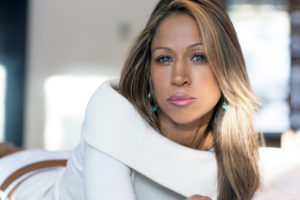
After Stacey Dash made controversial statements about BET and Black History Month being unnecessary, the Fox News correspondent clarified her comments and revealed her history of abuse, molestation and drug use.
The star said her cocaine addition, first sexual assault at age 4 and an abusive boyfriend at age 20 influenced her thoughts on political policies like social welfare.
“When you get stuff for free, you have no self-worth,” Dash told People magazine. “When you have no self-worth, you become depressed, addicted and either abused or an abuser. This is what perpetuates the cycle of violence in inner cities. We don’t need free stuff. We need opportunities.”
She said those experiences inform her opinions on Black-focused networks and celebrations.
The star made headlines earlier this year when Atlanta Black Star reported that she wanted to get rid of BET and its award ceremony along with the NAACP Image Awards and Black History Month.
“We have to make up our minds. Either we want to have segregation or integration,” Dash said on Fox & Friends. “If we don’t want segregation, then we need to get rid of channels like BET and the BET Awards and the [NAACP] Image Awards, where you are only awarded if you are Black. If it were the other way around we would be up in arms. It’s a double standard. Just like there shouldn’t be a Black History Month. You know, we’re Americans, period. That’s it.”
Dash clarified those comments in the new interview.
“When I say there should not be a BET channel or a Black History Month, I’m saying we deserve more,” Dash said. “I just hope people understand that I’m not judging; I’m coming from experience.”
The actress attempted to bounce back from the criticism she faced with a cringe-worthy appearance at the 88th annual Oscars in February. ABS reports host Chis Rock introduced her as the director of the fictional “Minority Outreach Program” and after her joke about being excited to “help my people out” failed, she wrote a blog post on the debacle.
“When they added ME to increase the diversity, I’m sure many Black people rolled their eyes,” Dash shared on her personal website. “I’m not ‘Black enough,’ they say. But guess what? I’ve heard that all my life. I would rather be a free thinking, Black than a cookie cutter Black who thinks – and votes – just like all my friends.”