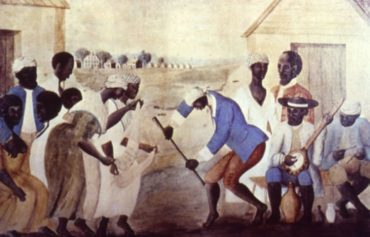
The Gullah and the Geechee During Slavery
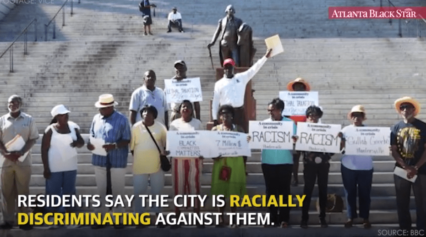
European slave owners captured and enslaved West African people in order to till their rice plantations along the eastern coast. The wealth acquired from this continuous rice cultivation brought millions to slave plantations operating in this region. While the enslaved west Africans brought their skills and were taken advantage of, they reaped no rewards. Now, the Gullah and Geechee fight for their land as tourism explodes.
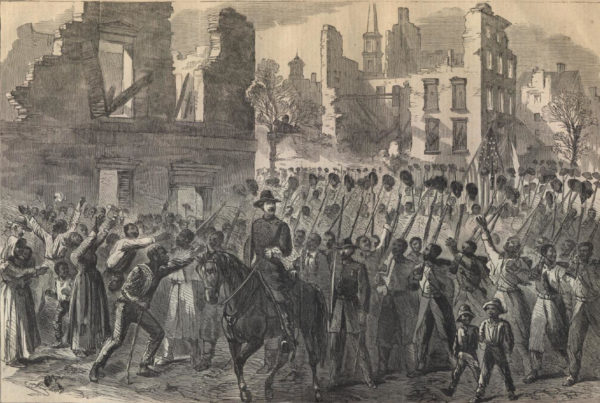
The Civil War Comes to The Gullah Corridor
In South Carolina, the white slave owners and planters abandoned their plantations in 1861 as the Civil War broke out. They left behind scores of enslaved people waiting on the arrival of Union troops. As the Union came, many joined those forces as soldiers in the First South Carolina Volunteers. The Sea Islands or the Gullah Corridor were the first place in the South where enslaved Black people were freed. Many of these lands were sold to the newly freed Africans during the Port Royal Experiment during Reconstruction. After the Civil War and emancipation, former enslaved Black people settled the coastal lands looking for hope, freedom and prosperity.