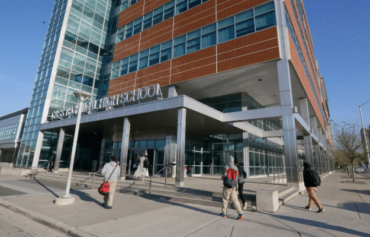
A group of officials at Detroit Public Schools said Wednesday that 19 public schools were found to have elevated lead and/or copper levels in their water.
Reportedly, 62 elementary and elementary-middle schools have been tested since the beginning of the year.
While the Flint, Michigan water crisis has dominated the news cycle, Detroit-area schools have fallen deeper into physical and financial ruin.
According to Atlanta Black Star, the state-controlled school system has $515 million in operating debt and total debt estimated at $3 billion. The school system is in such dire straits that it cannot afford to take on additional loans.
In months past, teachers have held sickouts and filed lawsuits because of the rampant black mold, vermin, mushrooms, faulty heating and air conditioning in classrooms. All of this is compounded by the crumbling school buildings and outdated infrastructure.
This latest report adds to the bad news. The Detroit Free Press reports that the school district has issued bottled water to the affected schools and informed parents about options during the crisis.
The 19 schools include:
- Beard Early Childhood
- Bow Elementary School
- Ronald Brown Academy
- Bunche Preparatory Academy
- Burton International Academy
- Carstens Academy of Aquatic Science
- Carver STEM Academy
- J.E. Clark Preparatory Academy
- Detroit Lions Academy
- Edison Elementary School
- J.R. King Elementary-Middle School
- Ludington Magnet Middle School
- Thurgood Marshall Elementary-Middle School
- Moses Field Elementary-Middle School
- Priest Elementary School
- Sampson Webber Leadership Academy
- Spain-Elementary Middle School
- Turning Point Academy
- Vernor Elementary School
The schools were tested by school district officials in February. However, a follow-up evaluation during spring break led to the discovery copper- and lead-tainted water in the 19 schools.
Last week, district officials found a drinking fountain at Burton International Academy that had copper levels above those suggested by the U.S. Environmental Protection Agency. The officials also discovered water from a bathroom sink with an estimated 1,300 parts per billion for copper — the threshold for which the EPA will take action.
According to Detroit Public Schools spokesperson Michelle Zdrodowski:
“As a precautionary measure, we considered it high and are mitigating. The District is currently working on detailed mitigation plans for each of the affected schools and will share those with the Detroit Health Department to ensure all proper actions are taken moving forward,” she wrote in an email.
The contamination has been attributed to aging pipes and infrastructure.
This environmental disaster also comes after news that former and current DPS principals were charged with bribery after partaking in a million-dollar kickback scheme.