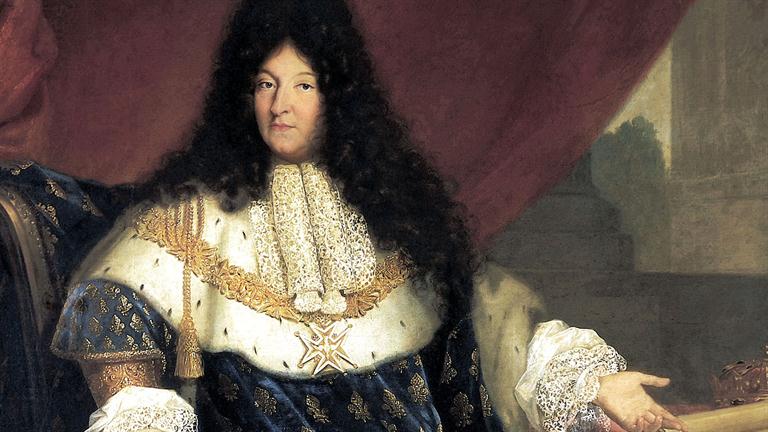
King Louis XIV
The Black codes were created in 1685 by the French King Louis XIV as a precautionary measure to prevent enslaved Black people from harming their masters. The Code lasted for 100 years, but it evolved into laws that would restrict marriage and mesegenation, and also serve as gun control for many of the non-white people in Louisiana.
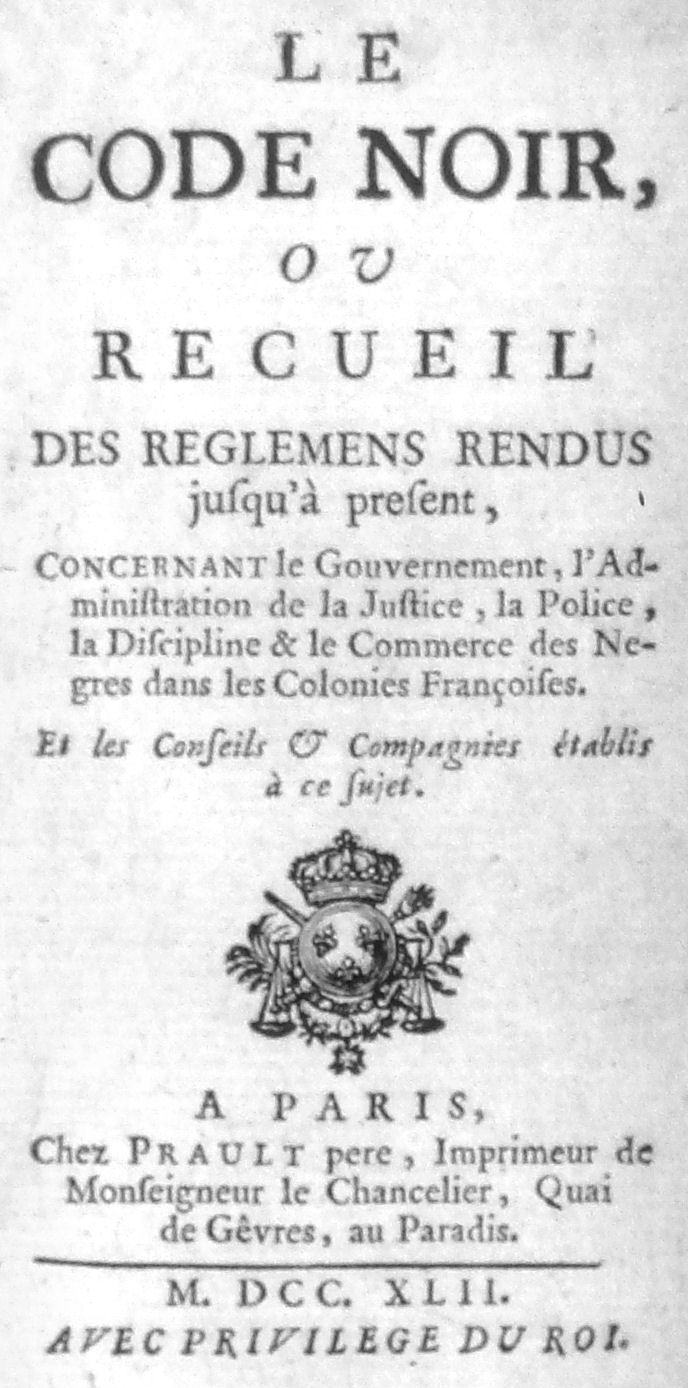 The Black Codes and Interracial Relationships
The codes were composed of 60 different articles that were created primarily for the French colonies in the West Indies/Caribbean. The colony of Saint-Domingue (Haiti) was the first to implement such laws that would further control their Black population. In 1687, the codes required enslaved Black people as well as their masters to be Roman Catholic, and the social status of the mother determined the social status of her children. The codes emphasized the social and sexual protocol between Blacks and whites and did not forbid the relationships. For Example in Article IX:
Free men who shall have one or more children during concubinage with their slaves, together with their masters who accepted it, shall each be fined two thousand pounds of sugar. If they are the masters of the slave who produced said children, we desire, in addition to the fine, that the slave and the children be removed and that she and they be sent to work at the hospital, never to gain their freedom. We do not expect however for the present article to be applied when the man was not married to another person during his concubinage with this slave, who he should then marry according to the accepted rites of the Church. In this way she shall then be freed, the children becoming free and legitimate. . . .
Even though there were interracial “relationships,” one would have to assume that the enslaved person did not have the right or agency to turn down their masters’ sexual advances. So the relationship was just an extension of slavery and was rape.