Leslie Mile
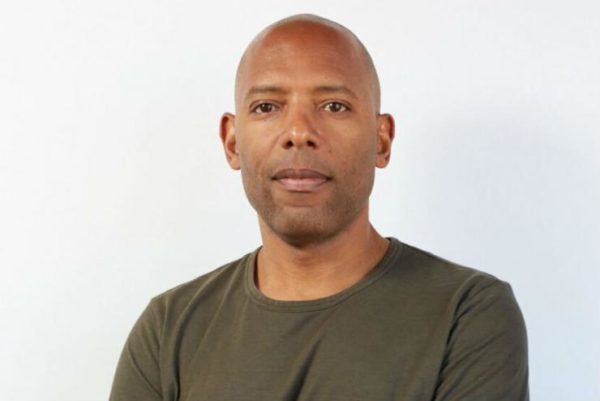
Former Twitter engineer Leslie Miley revealed last year that Twitter has very few people of color in leadership roles in a post on Medium. At the tail end of 2015, many tech and social media companies released info on their hiring practices, and unfortunately those numbers paint a grim picture for people of color.
However, Twitter has been the most active in trying to correct the issue by introducing new diversity initiatives and hiring a new VP of Diversity & Inclusion, Jeffrey Siminoff, who happens to be a middle-aged white man.
According to numbers released by Twitter, only 3 percent of engineering and product employees at the company are African-American/Hispanic, and less than 15 percent are women.
“Where else in technology can you see almost no movement at all — and people think that is good?” said Miley, who now heads up the engineering department at startup Entelo. “It’s a failure.”
Miley speaks about the issues as an insider, but from reports and Twitter announcements, the company has yet to fully commit to diversifying its workforce until last year. Before 2015, there were little to no real diversity initiatives.
Last September, Twitter announced plans to:
- Increase women overall to 35 percent
- Increase women in tech roles to 16 percent
- Increase women in leadership roles to 25 percent
- Increase underrepresented minorities overall to 11 percent
- Increase underrepresented minorities in tech roles to 9 percent
- Increase underrepresented minorities in leadership roles to 6 percent
They plan to increase recruiting practices on HBCU campuses and reach out to female and Hispanic graduates. Sadly, these are things that should have been done in years past.
“They’re doing a lot of things that are externally focused so they have a good story. The public eats it up, the press eats it up. [But] there’s not a lot of effectiveness inside the organization,” said Miley. “These are highly intelligent people. They get it. They know it’s a PR piece versus something that’s actually substantive.”
Miley has a point. Twitter has yet to put POC in positions of power and influence. While Twitter has dominated the headlines with its announcements on the matter, Pinterest has actually done more quicker.
Earlier this month, Candice Morgan was hired as the company’s first head of diversity. Morgan has a history of working with female engineers at Catalyst and plans to implement similar strategies for Pinterest.
At the moment, diversity initiatives are moving at a snail’s pace, and that maybe misconstrued as failure. There just isn’t enough time to tell.