9 African Contributions That Significantly Shaped American Culture You May Not Know About

Photograph: Konrad Wothe/Minden Pictures Domestic Horse/Konrad Wothe / Minden Pictures

Photograph: Konrad Wothe/Minden Pictures Domestic Horse/Konrad Wothe / Minden Pictures


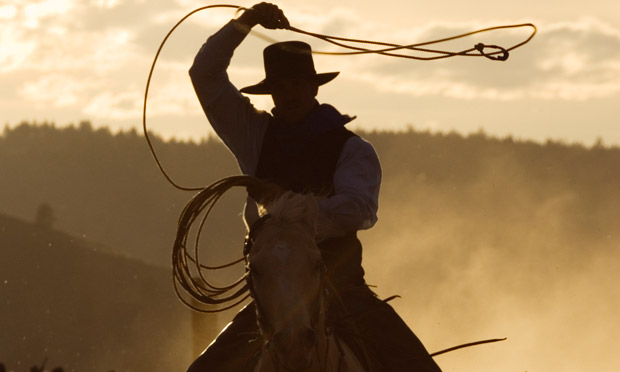
“American” Cowboy Culture

Historically, North Africans have been notoriously known for cattle raising. This skill was brought with the Fula, of the Fulani, of Senegambia. They were enslaved and brought to South Carolina in the early1700s. In fact, longhorn cattle were imported as well. According to Dr. Joseph E. Holloway, a scholar of the Black Diaspora, these North Africans were “expert cattlemen” and “responsible for introducing African husbandry patterns of open grazing now practiced throughout the American cattle industry.” He also confirms that, “originally, a cowboy was an African who worked with cattle.”
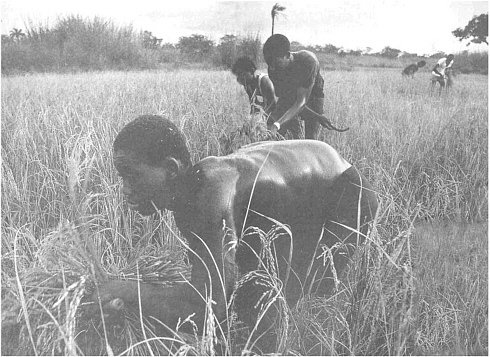
Rice CultivationRice Cultivation

Rice cultivation is often associated with the enslaved Africans who worked swamps and marshlands of the East Coast. However, these individuals, as well as their craft, had an African past. Africans contributed to most of America’s agricultural practices and techniques. According to Holloway, “Rice from Madagascar was introduced to South Carolina’s farming economy” in the 1740s. In addition, “Africans, experts in rice cultivation, were transported from the island of Gorée, off the coast of what is now the Senegambia, to train Europeans to cultivate this new crop.”
Democracy needs journalism it can trust.

This election season, the stakes are higher than usual — and so is the pressure on newsrooms to soften their coverage, stay quiet, or just disappear. Independent reporting, the kind that answers to readers instead of advertisers or political pressure, matters more in a moment like this, not less.

For over 14 years, Atlanta Black Star has stayed independent and reader-funded. We have no corporate owner and no shareholders telling us what to cover or how to cover it. That independence is also our biggest vulnerability: nothing protects it except readers choosing to fund it directly.

Newspaper ad revenue has fallen more than 80% since 2005, and local newsrooms are closing at a rate of roughly two a week nationwide. When outlets go under in a moment like this, it's rarely the independent, reader-funded ones that get to stick around.

We know a request for support isn't why you came here. But without readers choosing to fund this work directly, the depth of reporting we can do at home and abroad shrinks along with everyone else's. If you're not in a position to give, that doesn't change how much we value you as a reader.

If you are able to, a recurring contribution does more for us than a single one-time gift, because it lets us plan the next investigation instead of just the next invoice. It takes about 30 seconds, no long form, no account. Thank you for continuing to support independent journalism and freedom of the press.

Back to top