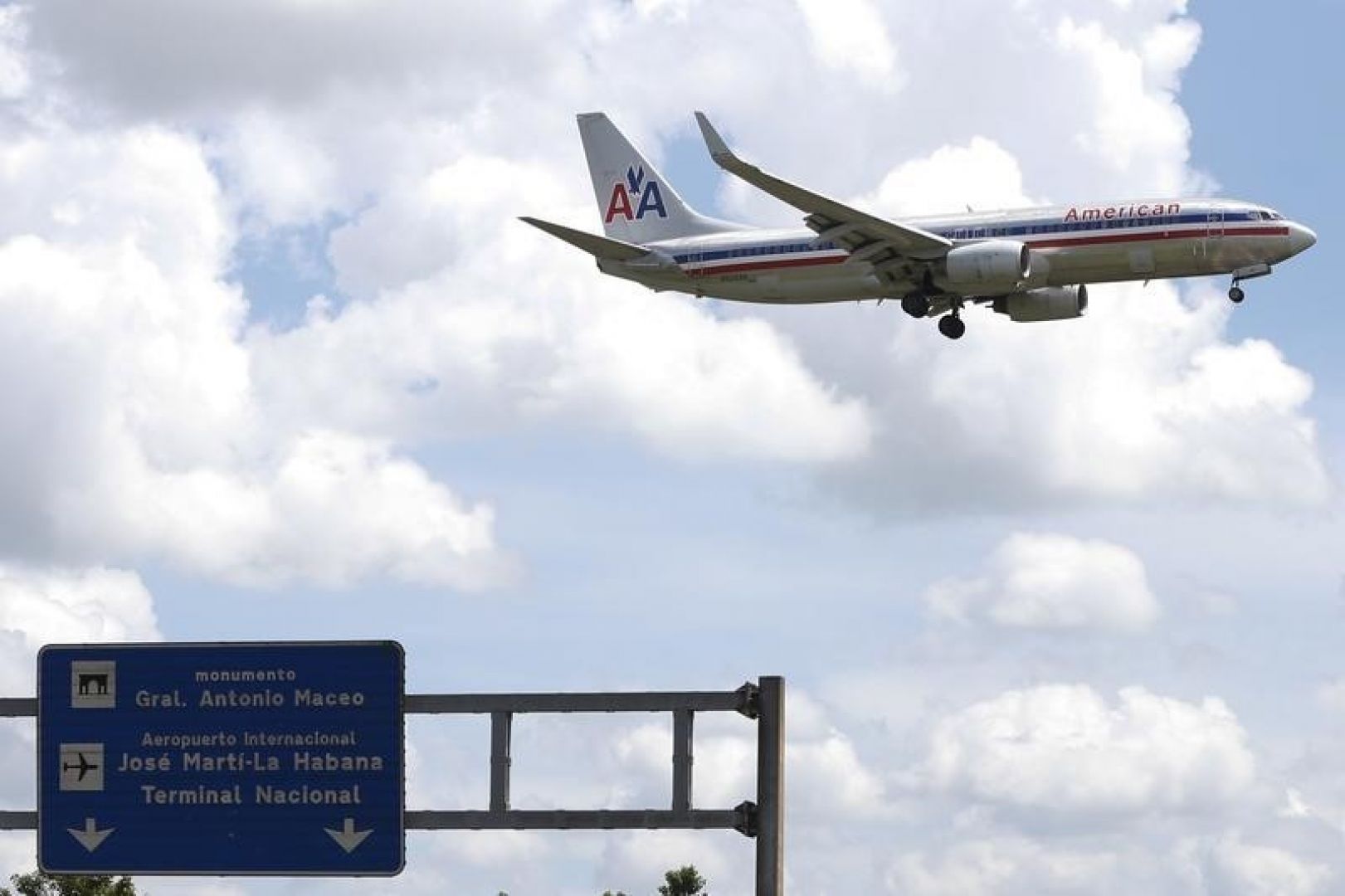
 The US and Cuba have reached an understanding on restoring regularly scheduled commercial flights, Cuban and American officials said on Wednesday on the eve of the anniversary of detente between the Cold War foes.
The advance opens the way for US airlines to begin flying to Cuba within months in what would be the biggest business deal struck as the two countries try to normalize relations.
Officials on both sides described it as an understanding on aviation but not yet a formal agreement and they hoped to reach a formal deal within hours or days. The understanding was reached on Wednesday in Washington.
Right now, American and Cuban travelers must fly on charter flights that are complicated to book, rarely involve an online portal and often force prospective travelers to email documents and payment information back and forth with an agent. Those flying must sometimes arrive at the airport four hours in advance and strict baggage limits apply.
US officials and aviation executives have speculated that Cuba could allow more than a dozen flights a day from the US. It is unclear if those flights would completely replace charters, but they appear certain to create a surge in travel that would place heavy strain on Cuba’s struggling tourist infrastructure. Hotels and private hostals are booked for months.
Officials said that, once reached, a formal deal could pave the way for negotiations with airlines.
Authorized American travel to the island is up 50% this year, Jeffrey DeLaurentis, who heads the US embassy in Havana, said on Tuesday. While the majority of US travelers are Cuban-Americans, there has been a sharp rise in Americans traveling for specially authorized purposes, particularly on educational tours known as people-to-people travel. Among president Barack Obama’s regulatory changes this year was one permitting such travel to Cuba without specific Treasury Department permission.
Cuba and the US announced last week a direct mail service would restart after a 52-year interruption. The governments had been speaking about restoring a postal link since Obama entered office, but those talks stalled when Cuba imprisoned US contractor Alan Gross. He was freed in a prisoner exchange that sparked the declaration of detente in 2014.
On other issues, however, the US and Cuba remain far apart. These include the billions of dollars in competing property claims, the status of fugitives in both countries, and Cuban protection of human rights.
The U.S. and Cuba re-opened embassies in each other’s capitals this summer.
Read the full story at theguardian.com