Ove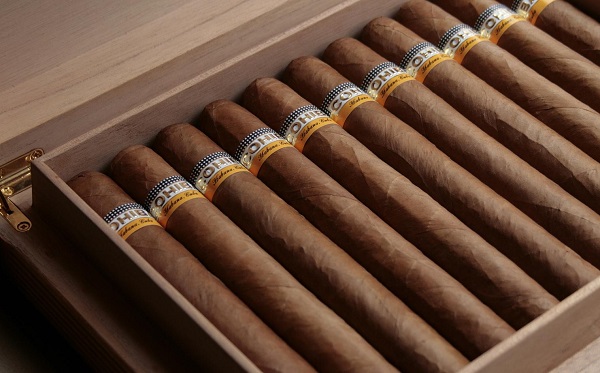 r six decades rolling premium cigars with his small, wrinkled hands, Arnaldo Alfonso has taken pride in seeing his “habanos” sampled by visiting heads of state and other dignitaries.
Now he’s delighted by the idea of customers lighting them up in New York, Los Angeles and elsewhere in the United States, where Cuban cigars have been outlawed since the U.S. embargo took effect in 1962.
“It’s a very beautiful thought,” said a smiling Alfonso, a 78-year-old worker in the tobacco shop of the Palco Hotel in western Havana.
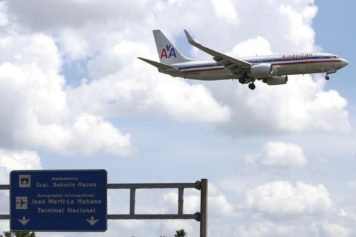
Cuban cigar makers are licking their chops over new U.S. rules, announced in December as part of a partial detente, allowing more Americans to travel to the island and legally bring back small quantities of the coveted stogies for the first time in decades.
As Havana celebrated the annual Cigar Festival that wraps up with a gala-dinner bash Friday, officials said that this year alone they expect to double on-island sales of hand-rolled cigars, known here as “habanos,” from 3 million to 6 million.
“This is an important jump in just one year,” said Jorge Luis Fernandez Maique, vice president of Habanos SA, a mixed venture between Cuba’s state-run Cubatabaco and the British company Altadis. “It’s a boom for the Cuban market.”
The additional sales would represent a modest increase to the company’s overall annual production of around 90 million to 100 million premium units to meet domestic and international demand, primarily in Europe and China.
But officials see it as just the tip of the cigar: If the U.S. embargo were to fall amid a normalization of diplomatic relations, Habanos believes it could capture nearly a third of the American market, the world’s largest for cigars.
Almost 600,000 visitors traveled to the island from the United States last year, a figure that includes mostly Cuban-Americans on family visits but also tens of thousands of people on legal educational and religious exchanges. The number is expected to rise, though it’s still unclear by how much.
Many visit shops like the one where Alfonso works.
“They are aware that these are first-rate cigars,” said Teresita Diaz, a saleswoman at the store.
Under the new rules, U.S. travelers are now allowed to bring back up to $100 in combined tobacco and alcohol products, a lot less than the $3,000 to $4,000 sales that Diaz can ring up for some of the Canadian, European and Chinese aficionados who shop there.
Read more at Yahoo News