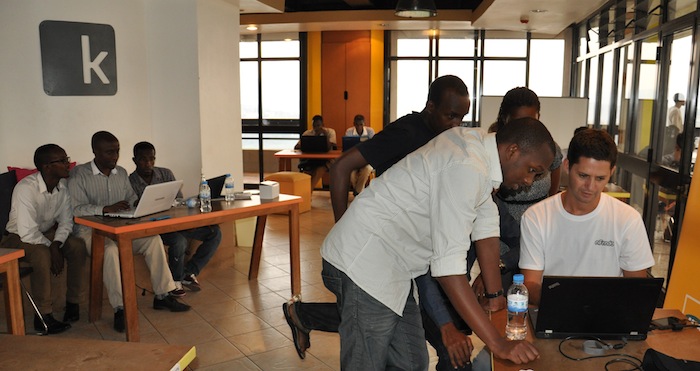
 There is a burgeoning tech scene on the African continent that is giving entrepreneurs a chance to develop new and innovative technologies. Rwanda is following in the footsteps of Kenya, Nigeria and South Africa and becoming one of the newest tech leaders in Africa. Telecom House holds the two major tech incubators in the nation.
The first tech hub in Rwanda is KLab (also known as Knowledge Lab), which is based in Kigali. It gives students, recent graduates, entrepreneurs and innovators a chance to come together to work on their ideas and projects with the goal of turning them into feasible business models. KLab is also launching a digital incubator called StartupWave that will be an online educational platform that links startups to mentors and prepares them to meet investors.
The second is Carnegie Mellon University Rwanda, which teaches aspiring tech entrepreneurs the skills they need. The university also works in conjunction with KLab.
The reason these tech incubators exist is because of the efforts of the Rwandan government. The country invested in its first high-speed 4G/LTE network late last year, according to Disrupt-Africa.com.
“We do want to see the private sector taking a leading role. But the government is in the business of providing an environment for the private sector to flourish,” said ICT Minister Jean Philbert Nsengimana, who happened to be one of the country’s first computer science students more than 15 years ago. “That often requires government to intervene — for instance, to push access where the private sector is not going for the greater benefit of citizens. By their nature, corporations tend to maximize their profit and some of the time, that may not be to the greater benefit of everyone. The mechanisms that make sure that everyone benefits have to be put in place by the government.”
The private sector has proven that the government’s willingness to assist in tech entrepreneurship is working. Two Rwandan hackers, Patrick Muhire and Ceddy Muhoza, pitched VugaPay, a mobile money app that is inter-operable between all of the carriers. They immediately received the investment funds from an appearance on a reality business show called, Face The Gorillas.
The country is one of the few tech hubs in east Africa. In just four years, Rwanda has achieved similar success to Kenya’s IHub. In this short period of time, the nation’s economy has risen to be ranked 62nd globally, and is the most competitive market in east Africa according to a report from Venturesafrica.com.
There are some amazing opportunities coming from the country—expect more great things by 2020.