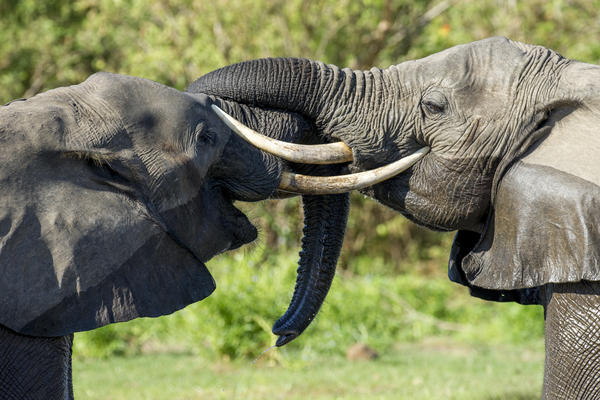
 Tanzania’s Selous Game Reserve is one of the largest wildlife refuges in the world and one of the last great wild places in Africa. The problem is — it’s not a refuge from anything. In the past five years, 60 percent of its iconic elephant herds have been machine-gunned or poisoned by poachers for the value of their tusks.
Photographer Robert Ross spent six years traversing the 17,000 square miles of the Selous, from its miombo woodland to its Borassus palm swamps, and meandering sand rivers.
In his book, The Selous In Africa: A Long Way From Anywhere, Ross chronicled much more than the elephant slaughter. After all, who really wants a coffee table book of pachyderm carcasses? His stunning images inventory the magnificent biodiversity of the continent’s oldest protected wilderness as well as the threats it now faces.
Ross, a 59-year-old former real estate financier, fled New York City to pursue his passion for photography and Africa. During his time in the Selous from 2008 to 2014, “There has been a noticeable habitat change because of the loss of elephants,” he says in a telephone interview from his home in Basalt, Colorado. “They’re not coming through the country as much. It’s returning to thicket. The elephants aren’t there anymore to keep those areas clear.”
Another observation: Ross says there are fewer elephants that go into the dry river beds and dig for water. Other animals would then come after and use the same water holes.
“Stuff like that has stopped,” he says. “It’s almost like climate change.”
Ross doesn’t just focus on elephants and other mega-fauna.
“My goal was to take a wholesale look at the ecosystem,” he says, “to do something different than your typical Africa wildlife book.”
He photographs elephant families, hippo pods, Nile crocodiles and lion cubs, but he also introduces us to the flower mantis, the flap-necked chameleon, the net-winged beetle, and the giant stick insect.
Read the fully story at npr.org