“The Haves and The Have Nots” Patrick Faucette
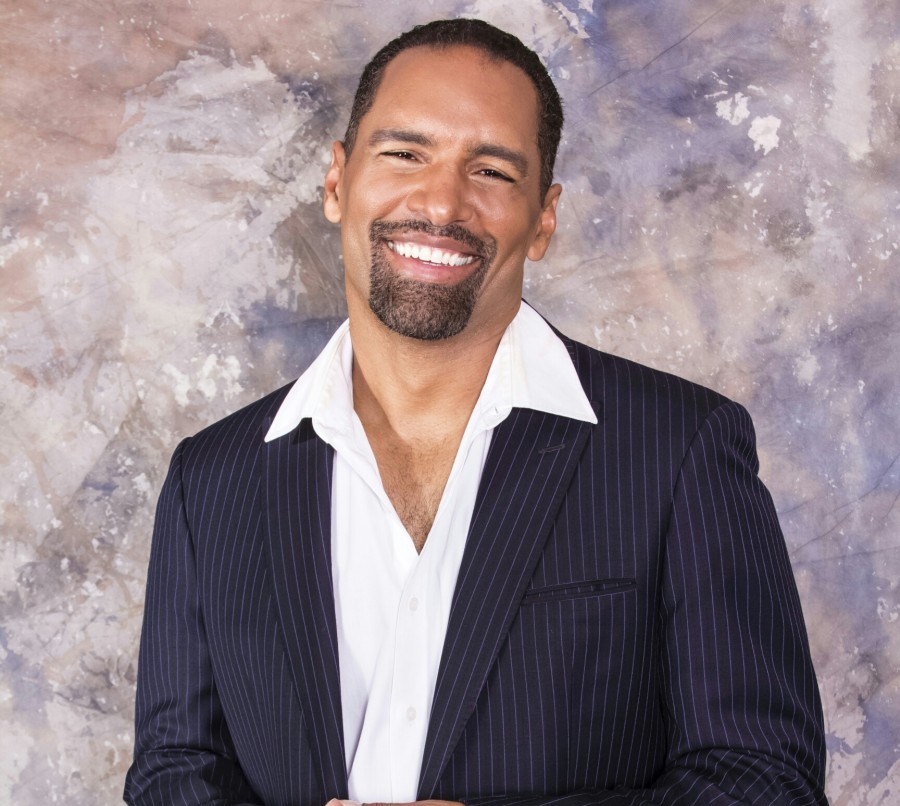
On OWN’s The Haves and The Have Nots, veteran actor Patrick Faucette’s character Tony Watson resorts to some very devious methods to acquire a kidney from his estranged child who is lying in a coma. In real life, Faucette has used both the story line and his public platform to raise awareness about the importance of organ donation, particularly in the African-American community.
In researching for his story line, Faucette came across some very troubling statistics about African-Americans and organ donation that are confirmed by the U.S Department of Health and Human Services:
- While only 12 percent of the population, 30 percent of those on the waiting list for organ transplants are African-Americans.
- In 2014 only 20 percent of all organ recipients were African-American.
- More than 73 percent of organ transplanted received by African-Americans were kidneys.
- Of deceased donors, those who were registered, only 16 percent were African-American.
“Once I saw how many people are waiting, and learned that African-Americans have lower numbers [of donation], I became a donor myself and decided to become a spokesperson for this issue.”
Faucette’s agent reached out to Donate Life America, a national alliance of organizations that seeks to increase organ donation through public outreach and donor education programs. He teamed with producers on a Donate Life America film entitled, The Wish, playing a character who was a recipient of an organ by a live donor. The Wish has been screened in Black churches and other venues throughout the south and is followed by a community discussion where people can learn more about not just becoming a donor upon death, but can also serve as a living donor to those who need organs like kidneys.
One of the challenges to increasing organ donation among African-Americans is overcoming decades of fear regarding medical practices and experimentation on the Black body. Faucette says African-Americans have “a lot of superstition” when it comes to being an organ donor.
“Some people fear that if they are ever in some type of situation [where they can’t speak for themselves], doctor’s will see they are donors and not try and save them in order to harvest the organs for another patient,” he said.
Although organs are not matched by race or ethnicity, the Department of Health and Human Services says that “all individuals waiting for an organ transplant will have a better chance of receiving one if there are large numbers of donors from their racial/ethnic background. This is because compatible blood types and tissue markers—critical qualities for donor/recipient matching—are more likely to be found among members of the same ethnicity. A greater diversity of donors may potentially increase access to transplantation for everyone.”
Faucette plans to continue his advocacy work on this issue. He is hoping to work with members of the Congressional Black Caucus to spread the message to “a larger web of community contacts” and increase the number of African-American donors.
As for his character Tony Watson, Faucette hopes the writers get him a living donor, but continue to allow him to be the man fans of the show love to hate.