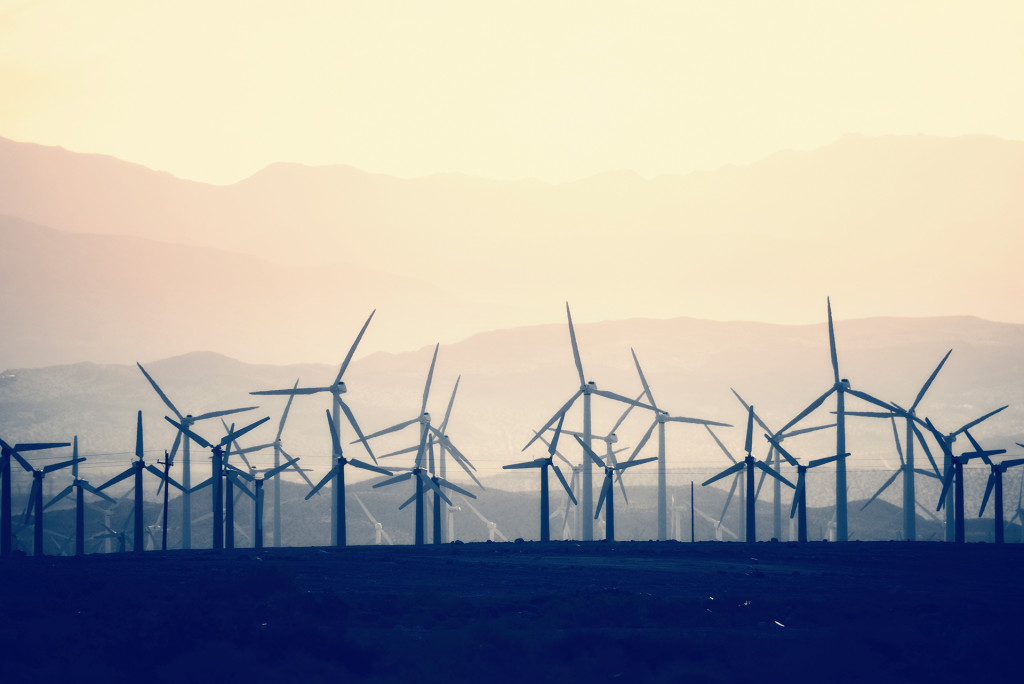
 Google is backing Africa’s largest wind power project, two years after investing $12 million in the continent’s largest solar power project.
This morning, at a conference in Washington, D.C., the tech giant announced its support for the Lake Turkana Wind Power Project in northern Kenya, a project that could provide enough clean energy to power 2 million homes, representing about 15 percent of the capacity of the country’s power grid. The average wind speed at Lake Turkana is almost 25 mph, according to Google.
The move is Google’s 22nd investment in clean energy infrastructure, spanning a total of 2.5 gigawatts of power and more than $2 billion. Most of the company’s investment has been in the US, but Rick Needham, a Google director of energy and sustainability, says the company wants to promote clean energy in the developing world. “The fastest growing economies are here, and there’s a strong need for critical power,” he says of places like Kenya. “Economies are being held back because they don’t have enough power—and yet they have wonderful renewable resources. These nations can meet their future and growing energy needs by tapping into some of the best renewable resources in the world.”
At the same time, Google continues to buy vast amounts of clean energy to drive the massive computer data centers underpinning its online services. To date, Needham says, Google has purchased more than a gigawatt of power for its worldwide network of data centers, drawing on solar and wind. This places Google among the largest corporate buyers of clean energy, according to the Business Renewables Center.
Google does not yet operate a dedicated data center in Africa. But no doubt, it will. The company already has opened data centers across Europe, in Southeast Asia, and in South America. Like Facebook and others, Google sees Africa, India, and other developing economies as enormous growth opportunities.
In the meantime, Needham and the investment arm of Google’s clean energy efforts want to promote clean energy throughout Africa. Two years ago, the company invested $12 million in a 96 megawatt solar photovoltaic plant in the Northern Cape province of South Africa, which came online about a year ago. Now it’s pushing wind energy in Kenya, both for the country’s future and its own. “We have [individuals] and small business who will be coming online and using Google,” says Needham. “We would much prefer that they be able to access our products and services through electricity that is not only clean but economic.”
Read more at wired.com