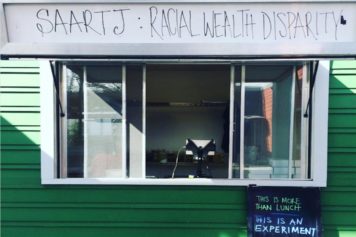
For Ethiopian Jews in Israel, life could be compared to that of a Black person in the United States. Both are denied certain jobs, housing, education and are hurled racial slurs as common practice. More similarly, both groups are faced with recurring acts of police brutality.
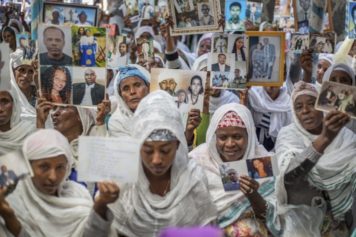
And in Israel, Ethiopian Jews are legally granted full rights. The reality, despite this, is completely different. In May, they held a protest on Tel Aviv against the systems of institutional racism in their country. Per the Law of Return Jews have the right to live in Israel and to gain citizenship. In 1970, the right of entry and settlement was extended to people of Jewish ancestry, and their spouses.
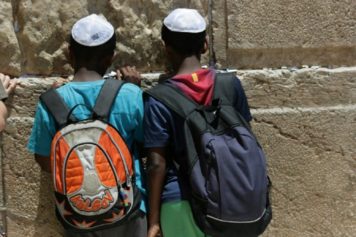
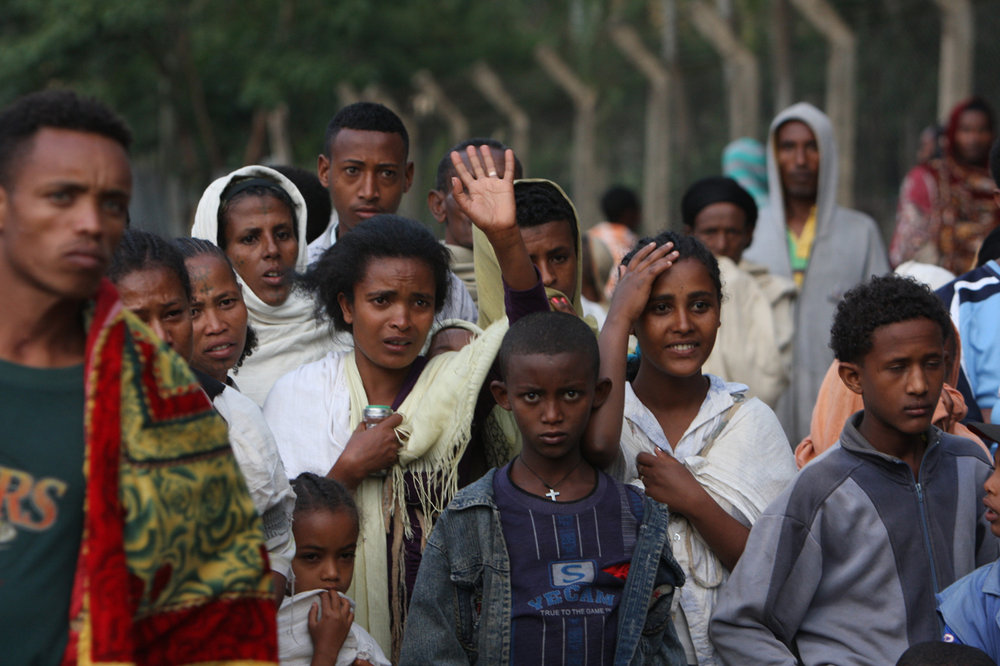
Nearly 81,000 of Ethiopian Israelis were born in Africa, while 38,500 were born in Israel, according to official records. Between 1985 and 1991, more than 30,000 were airlifted in three rescue operations after years of civil war and famine had driven hundreds of thousands of Ethiopians into the capital, Addis Adaba, and refugee camps in Sudan.
One of those rescue operations is being developed into a film. Gideon Raff (Tyrant executive producer and co-creator) will write and direct the film based on the 1981 “Operation Brothers” rescue of Ethiopian Jews. Alexandra Milchan will co-produce the film with Raff.
The project is still in the early stage and information is sparse. For now, comparisons have been made to Ben Affleck’s Oscar-winning film, Argo.
Currently, about 52 percent of Ethiopian-Israeli families live below the poverty line, compared to 16 percent among the general Jewish Israeli population. According to the Brookdale Institute for Applied Social Research, in 2010, only 65 percent of Ethiopian Israelis were employed, compared to 74 percent among the general Jewish population.
More than 20 years after their rescue, Ethiopians still face economic and social disparities in Israel.