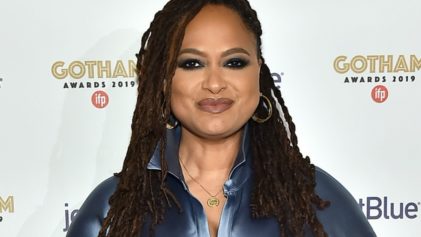
Director Ava DuVernay Focuses on Diversity with her Company Array

ava-duvernayDirector Ava DuVernay has become Hollywood’s hottest commodity after the critical success of 2014’s Selma. This year was dominated with rumors about the possibility of her taking on the Black Panther directing job. However, DuVernay set the record straight telling the media that the project was not for her and that she will focus on projects similar to Selma.

This week she revealed that her film distribution company, African American Film Festival Releasing Movement, is expanding and relaunching as Array.

The company aims to support filmmakers of color and women. This fall, Array will release South African director Sara Blecher’s coming-of-age drama, Ayanda and the Mechanic and Takeshi Fukunaga’s debut feature, Out of My Hand.

DuVernay’s company also has struck a deal with Netflix and introduced viewers to USC graduate Tina Mabry’s first film, Mississippi Damned, a dark family drama that garnered critical acclaim on the festival circuit after its debut at Slamdance in 2009.

“Right now, there is a fundamental disrespect inherent in the distribution and amplification of films,” DuVernay explains. “There is a cinema segregation in how films are seen and not seen. What we’re saying is, we’re not going to depend on those things anymore.”

In addition to traditional theatrical releases, she sees the new streaming platforms and premium cable as options for some of the films she will release.

For more information on Array, visit Arraynow.com.
Democracy needs journalism it can trust.

This election season, the stakes are higher than usual — and so is the pressure on newsrooms to soften their coverage, stay quiet, or just disappear. Independent reporting, the kind that answers to readers instead of advertisers or political pressure, matters more in a moment like this, not less.

For over 14 years, Atlanta Black Star has stayed independent and reader-funded. We have no corporate owner and no shareholders telling us what to cover or how to cover it. That independence is also our biggest vulnerability: nothing protects it except readers choosing to fund it directly.

Newspaper ad revenue has fallen more than 80% since 2005, and local newsrooms are closing at a rate of roughly two a week nationwide. When outlets go under in a moment like this, it's rarely the independent, reader-funded ones that get to stick around.

We know a request for support isn't why you came here. But without readers choosing to fund this work directly, the depth of reporting we can do at home and abroad shrinks along with everyone else's. If you're not in a position to give, that doesn't change how much we value you as a reader.

If you are able to, a recurring contribution does more for us than a single one-time gift, because it lets us plan the next investigation instead of just the next invoice. It takes about 30 seconds, no long form, no account. Thank you for continuing to support independent journalism and freedom of the press.

Back to top