9 Ways Race Is Still Playing a Dominant Role in the Aftermath Of Hurricane Katrina Victims 10 Years Later

Katrina_ninthward

Katrina Was Not An Equal Opportunity Disaster

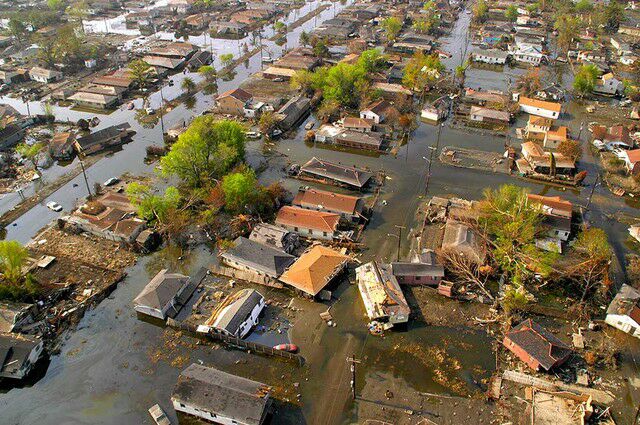
Although current New Orleans mayor Mitch Landrieu and others have labeled Katrina an equal-opportunity storm, a Black homeowner in the city was four times more likely to live in a flooded area than a white homeowner, according to the book Katrina by Gary Rivlin. Additionally, 51 percent of Louisiana residents who were killed by Katrina were Black while in Orleans parish, 68 percent of deaths (459 out of 680 total) were African-Americans, according to a 2008 article in the journal Disaster Medicine and Public Health Preparedness, entitled, “Hurricane Katrina Deaths, Louisiana, 2005.”
 

Katrina-help

The Government’s Disastrously Slow Response To Katrina Was Racist

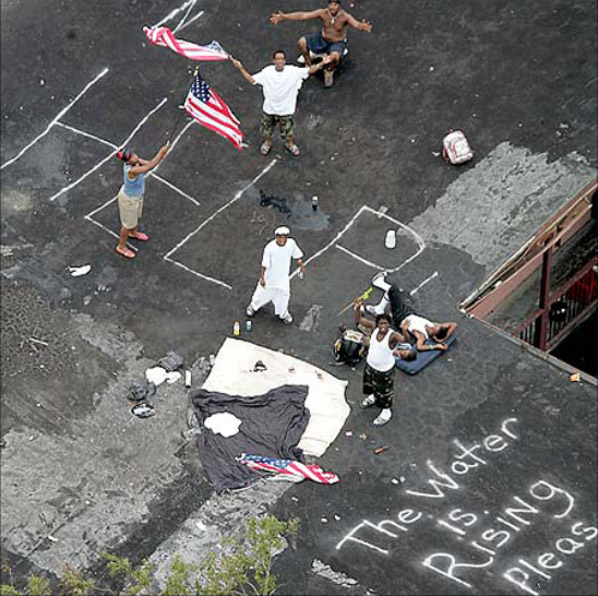
It was five days before sufficient federal or state help arrived for the tens of thousands of Blacks who were marooned in the city, according to a 2010 PBS timeline. A number of African-American political leaders charged that the response would have been far quicker had the victims been in the predominantly white cities of Palm Beach or Boca Raton.

Democracy needs journalism it can trust.

This election season, the stakes are higher than usual — and so is the pressure on newsrooms to soften their coverage, stay quiet, or just disappear. Independent reporting, the kind that answers to readers instead of advertisers or political pressure, matters more in a moment like this, not less.

For over 14 years, Atlanta Black Star has stayed independent and reader-funded. We have no corporate owner and no shareholders telling us what to cover or how to cover it. That independence is also our biggest vulnerability: nothing protects it except readers choosing to fund it directly.

Newspaper ad revenue has fallen more than 80% since 2005, and local newsrooms are closing at a rate of roughly two a week nationwide. When outlets go under in a moment like this, it's rarely the independent, reader-funded ones that get to stick around.

We know a request for support isn't why you came here. But without readers choosing to fund this work directly, the depth of reporting we can do at home and abroad shrinks along with everyone else's. If you're not in a position to give, that doesn't change how much we value you as a reader.

If you are able to, a recurring contribution does more for us than a single one-time gift, because it lets us plan the next investigation instead of just the next invoice. It takes about 30 seconds, no long form, no account. Thank you for continuing to support independent journalism and freedom of the press.

Back to top