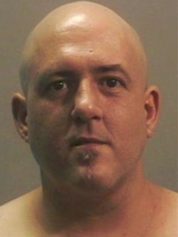
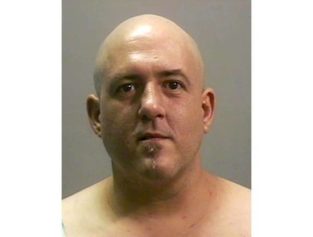
A white man who admitted to shooting three Black men in a racially-motivated attack following Hurricane Katrina died just days after being sentenced to 10 years in federal prison for his crime, the Advocate reported.
Roland Bourgeois, 56, died Feb. 19 after being found unresponsive at the Plaquemines Parish jail where he was in federal custody, officials said. Bourgeois was transported to a hospital and pronounced dead after family members had a chance to see him.
Charles Guey, chief investigator for the Plaquemines Parish Coroner’s Office, said it appears Bourgeois died of natural causes, adding there was no indication that anything else had contributed to his demise. His death remains unclassified and under investigation, however.
Lt. Chaun Domingue of the Plaquemines Parish Sheriff’s Office, which operates the jail, said the Louisiana man arrived with “extensive, serious pre-existing medical conditions,” but did not elaborate on what they were.
Bourgeois’ death brought an abrupt close to a nearly 14-year-old case, which included several delays over concerns about his physical and mental fitness to stand trial, according to the newspaper. He was in a wheelchair when U.S. District Judge Mary Ann Vial Lemmon handed him a 10-year prison sentence on Feb. 14.
After the Category 5 storm ravaged the city of New Orleans in 2005, Bourgeois admitted to firing at the three men because they were Black and had crossed into his neighborhood. He conceded that he and several other Algiers residents had formed a sort of vigilante “watch group” set on shooting any “outsiders” who crossed their path.
Bourgeois and the others used fallen trees and branches to barricade the streets near their homes and performed armed patrols of the areas because the “n—–s” were “tearing up” New Orleans. The racist remark stemmed from unfounded rumors of widespread looting across the city after the powerful storm caused the levees to fail.
On Sept. 1, 2005, Bourgeois spotted three Black men who crossed one of their makeshift barriers as they made their way to a ferry landing that authorities had converted into an evacuation point. Two shotgun blasts rang out and Bourgeois fired on the group, injuring all three.
As the men fled, their attacker reportedly bragged that he “got one” and threatened to “kill that n—-r” if he’d survived the gunfire. He also assured a neighbor that “Anything coming up this street darker than a brown paper bag is getting shot,” court documents allege.
Two of the men were struck in their legs, back and arms. A third man, Donnell Herrington, suffered gunshot wounds to his neck and back.
Bourgeois, who had armed his 16-year-old son with a pistol, reportedly displayed a bloodied baseball cap that had fallen off the head of one of the victims as if it were a trophy.
“Hurricane Katrina was a tragic chapter in the history of our city,” Peter G. Strasser, the United States attorney for the Eastern District of Louisiana, said after Bourgeois’ pleaded guilty last year. “Hopefully this plea brings some measure of finality to those directly affected by this crime and to this great city that endured so much in the days following this calamity.”
The Louisiana man was sentenced to five years for each of the two counts of interference with the rights of the men he shot at and use of a firearm during the commission of a violent crime, a Justice Department spokesman said. Bourgeois was also given five years of supervised release. The Justice Department took up cases against Bourgeois and others accused of similar crimes after local authorities refused to prosecute them.
According to The Advocate, his was the last of the Katrina-era civil rights abuse cases to be resolved.
Watch more in the clip below.