 The Black Lives Matter (BLM) movement continues to be a thorn in the side of Democratic politicians. BLM activists recently managed to secure a meeting with presidential candidate Hillary Clinton, where they asked her some pointed questions about her past policy decisions.
The group was initially barred from entering a community forum on drug abuse being hosted by Clinton at Keene Middle School in New Hampshire. The event was sealed by the former first lady’s security. Clinton later met with BLM activists in an overflow room.
The group – affiliated with Black Lives Matter organizations in the Boston area — told reporters afterwards that they asked Clinton about her family’s history with the war on drugs, both at home and abroad. Specifically, activist Daunasia Yancey (who has been described as “the new face of Boston’s civil rights movement” by Boston Magazine) told reporters they asked Clinton about her family’s history with the war on drugs both at home and abroad and “how she felt about her involvement in that violence that has been perpetuated, especially against communities of color and against Black folks.”
“Can you give at least one tangible example of how you expect to reverse the health and human services disaster you orchestrated in impoverished, urban, non-white communities through the domestic [war on drugs] policy you’ve championed as FLOTUS and senator?” BLM activists asked.
The meeting with Clinton lasted about 15 minutes and included some contested questioning. Clinton also offered advice to BLM activists.
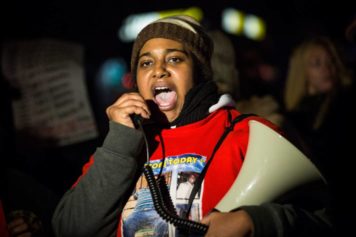
Black Lives Matters activists have been a vocal presence at campaign events hosted by Democratic politicians. They stormed the stage at the Netroots Nation conference interrupting speeches by Democratic candidates former Gov. Martin O’Malley and Sen. Bernie Sanders. Activists who claimed to be involved with the BLM movement also stormed the stage and prevented Sanders from giving a speech at a campaign event in Seattle, Wash., drawing criticism from some Black liberals.
However, BLM protestors’ actions seem to be working. Sanders recently hired Symone Sanders, a Black social justice activist, to be his press secretary. He also released a racial justice manifesto outlining how he planned to address some of the issues BLM activists have raised, such as demilitarizing the police and ending the war on drugs.
“Sandra Bland, Michael Brown, Rekia Boyd, Eric Garner, Walter Scott, Freddie Gray, Tamir Rice, Samuel DuBose. We know their names. Each of them died unarmed at the hands of police officers or in police custody,” said Sanders on his campaign site. “We should not fool ourselves into thinking that this violence only affects those whose names have appeared on TV or in the newspaper. African Americans are twice as likely to be arrested and almost four times as likely to experience the use of force during encounters with the police.”
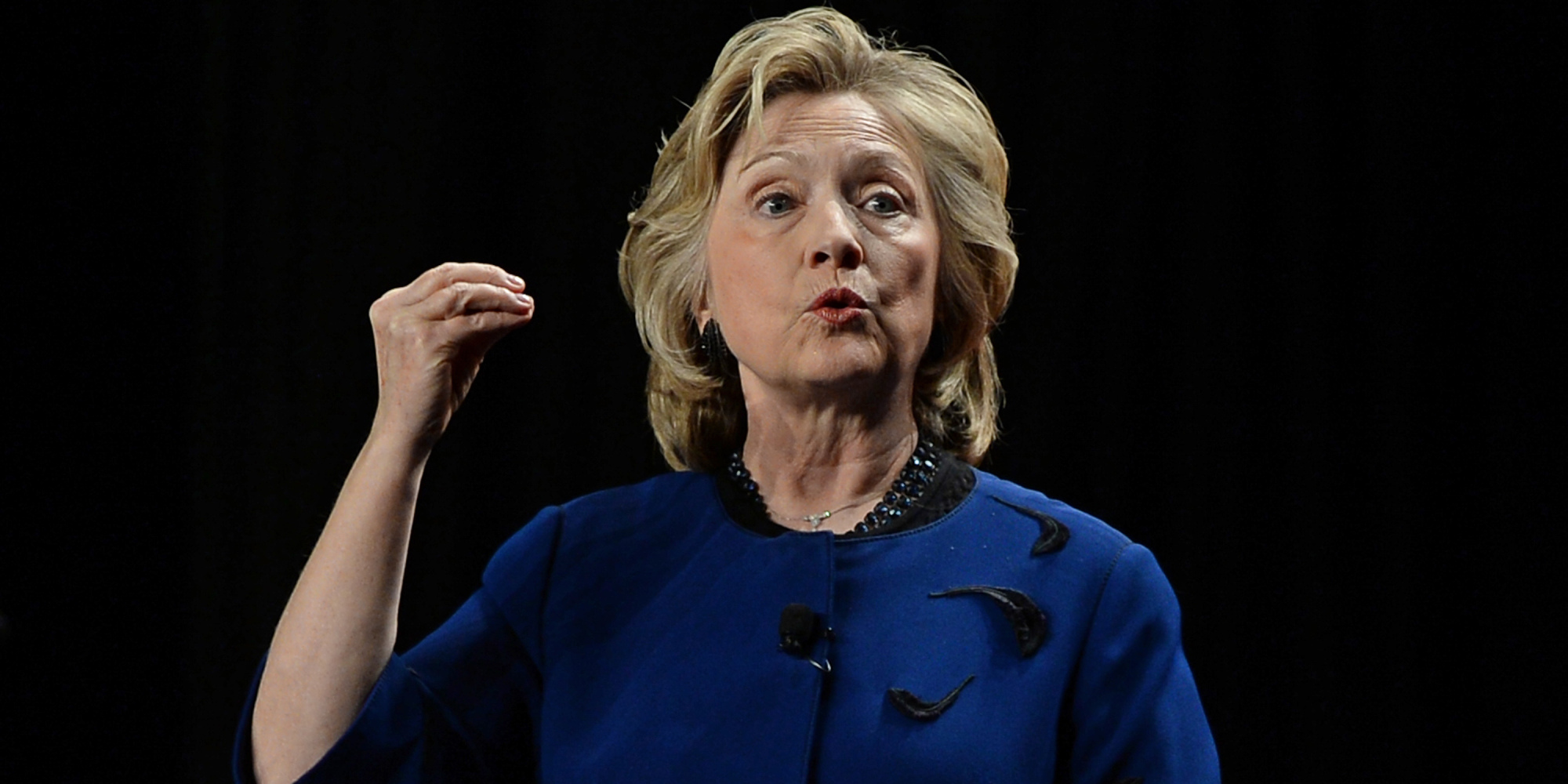
For Clinton’s part, she recently gave a speech calling for an end to mass incarceration, noting that a large percentage of the more than two million Americans currently in prison are low-level offenders.