 JOHANNESBURG (AP) — In 1909-10, Theodore Roosevelt headed a Smithsonian hunting and trapping expedition in Africa that included colleagues who prepared the wildlife he killed for shipment back to America. The former U.S. president and his son, Kermit, shot hundreds of animals.
“Really, I would be ashamed of myself sometimes, for I felt as if I had all the fun,” Roosevelt later said in a speech. “I would kill the rhinoceros or whatever it was, and then they would go out and do the solid, hard work of preparing it. They would spend a day or two preserving the specimen while I would go and get something else.”
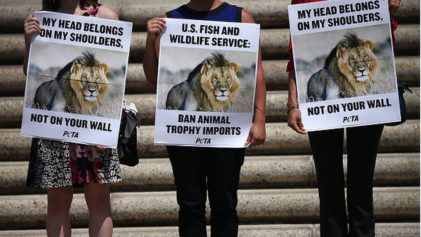
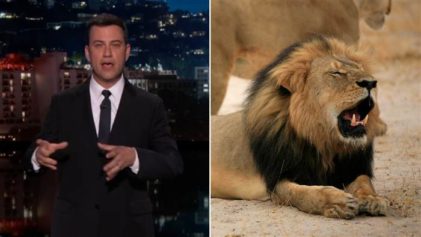
Despite the killing spree, Roosevelt also advocated “a happy mean” between hunting and preserving wildlife sanctuaries, foreshadowing today’s debate on hunting that has become more polarized as poaching and human encroachment have vastly reduced wildlife in sub-Saharan Africa. An international outcry erupted after an American dentist killed a well-known lion named Cecil in Zimbabwe last month in an allegedly illegal hunt. Wildlife authorities in Zimbabwe on Sunday reported another allegedly illegal lion kill involving a different American in the same area in April.
Many hunters of the “Big Five” — lion, leopard, elephant, rhino and water buffalo — believe that what they do is a legitimate sport, conserves wildlife by funneling funds back into game reserves and can be the ultimate personal challenge in a natural setting.
“Hunters are normal, living, nature-loving people,” said Adri Kitshoff, chief executive officer of the Professional Hunters’ Association of South Africa. “They’re not bloodthirsty killers.”
Some 7,600 foreign hunters traveled to South Africa in 2013, more than half of them from America, according to association figures.
Numerous slick websites tout hunting tours. South Africa’s Palala reserve offers a 7-day beginner’s “safari” for more than $5,000 in which clients hunt species including a large antelope and a warthog. Martin Pieters Safaris says it provides “ethical, fair-chase safaris” in Zimbabwe and describes the suspense of a leopard hunt:
“In the shadows you wait … as silent and as quiet as the dark night … this is what it is all about sitting motionless a mere 60 yards from your bait, waiting for your chance, knowing that even though you have done everything right, he still might not come, that is leopard hunting!”
Critics say the Zimbabwe cases points to wider irregularities in the trophy-hunting industry. Online photos of triumphant hunters posing beside the carcasses of African wildlife only deepen the gulf for hunting opponents.
Minnesota dentist Walter James Palmer lacked authorization to kill Cecil the lion, according to Zimbabwean authorities who say they will seek his extradition. The lion was lured out of Hwange National Park, wounded with a bow and then tracked down and shot, conservationists said.
Read more at seattletimes.com