Photo: James Spooner, Director of Afro-Punk
When the BET Awards aired this year, I didn’t watch it. While everybody was watching the BET Awards, I was wishing there was an awards show for Black alternative culture. However, it is impossible for an awards show like this to exist when Black media outlets barely cover Black alternative culture.
Black alternative culture includes many lesser known or do-it-yourself Black artists and business people in music, literature, digital media, and more. It is created by Black people who are tired of how stagnate and stereotypical mainstream media has been.
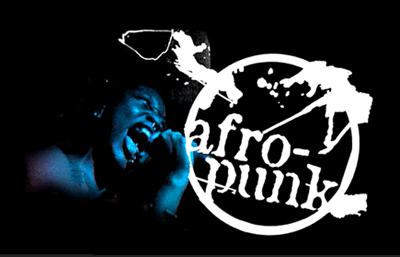
One area of Black alternative culture that is the perfect answer to this year’s BET Awards snubs is Afro-Punk. Afro-Punk is a movement featuring hundreds of independent and lesser known Black musicians and artists in rock and other music genres. Examples include rock singer Tamar-Kali, folk singer Kimya Dawson, and violin-viola duo Black Violin.
Since 2005, Afro-Punk has hosted a major festival every fall in Brooklyn, New York with thousands of attendees. The festival and its parent website has become a haven for not only Black alternative music fans, but any Black person who consider themselves a misfit. However, with the exception of the magazines Vibe and The Source, the Afro-Punk fest isn’t acknowledged by Black media outlets.
Afro-Punk doesn’t get as much coverage as the BET Awards because the general population isn’t into it. The Guardian’s Britt Julious explains, “Airing on a still-popular cable channel, the BET awards cater to the broadest audience possible and therefore choose the most mainstream artists year after year.”
Since BET and other Black news outlets are aimed at Top 40 music listeners, Black alternative culture consumers like me have to use social media to bring attention to lesser known musicians and artists. Yet, Black alternative culture isn’t just a different way of being entertained.
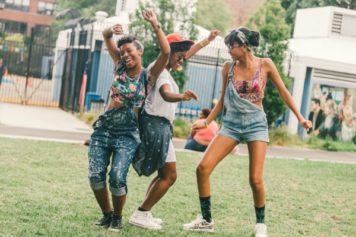
Black alternative culture also provides a way for Black people who don’t fit the mold to have a place to belong, be themselves, and create the depictions of Black people they want to see. Besides Afro-Punk, the site Black Girl Nerds is a great example of this. Created by Jamie Broadnax in 2012, the site serves as a community for Black girl nerds and female nerds of color.
According to Jamie Broadnax’s author bio, she created the site when she Googled term “Black girl nerds” and nothing came up. As a Black girl nerd, I can personally attest to the impact of this site. Until I discovered the site last summer, I never knew that it was okay to be a Black girl nerd and that there were others like me.
Besides creating new entertainment and communities, Black alternative culture reconnects to the past and builds on it. For instance, the Afropunk movement follows in the footsteps of The Black Arts Movement and The Harlem Renaissance. Meanwhile, the fantasy and sci-fi movement known as Afrofuturism continues where authors and artists like Sun Ra, Jean-Michel Basquiat, and Octavia Butler left off.
Perhaps the most important impact of Black alternative culture is that it challenges the idea of what Black people can do and be. With the exception of artists like Janelle Monae and characters like Annalise Keating, Black people in mainstream media are boxed into stereotypes such as the promiscuous Jezebel and the athlete. In Black alternative culture, Black people can be rock musicians, awkward Black girls, and more.
Recognition and praise shouldn’t go to the same people every year. If BET and other Black media outlets provided more coverage of Black alternative culture, Black culture would be given new life.