10 Things About the Mistreatment of Black Soldiers During World War II You May Not Know

The Wereth 11

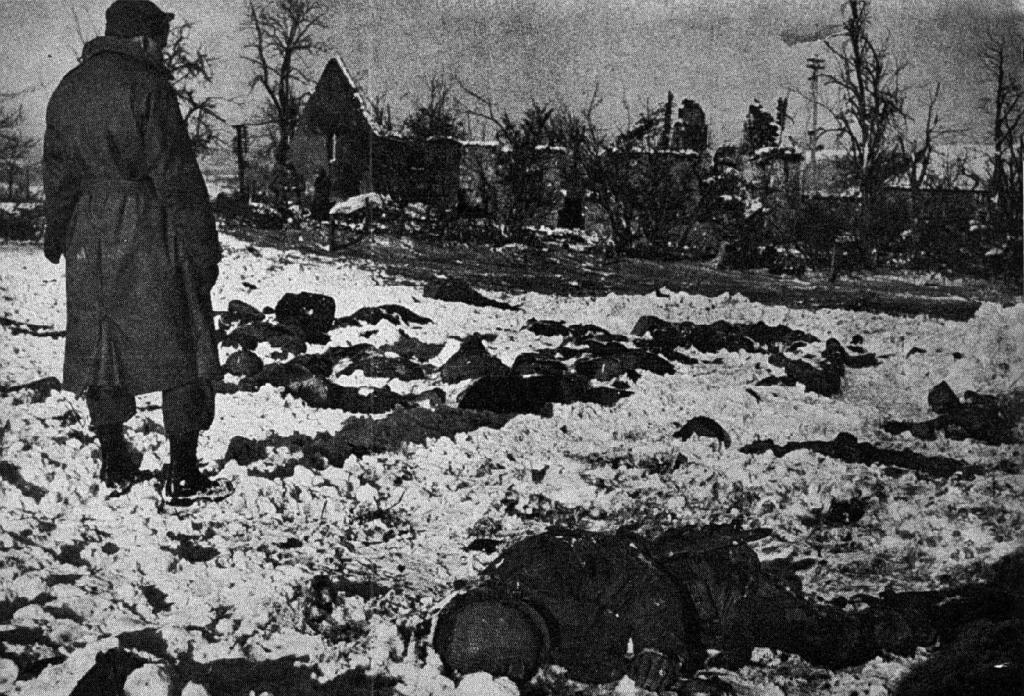
The ‘Wereth 11’ Targeted and Killed by Nazi SS Soldiers

In December 1944, German troops stormed the 106th Division of the U.S. Army. At the time, they were supported by the 333rd Field Artillery Battalion, a Black unit. According to an article released by USA Today in 2013, “the 106th Division was overrun in what was one of the worst American defeats of the war.” Yet, 11 Black soldiers managed to survive. They “trudged through waist-deep snow” and managed to stumble upon “the tiny Belgian farming hamlet of Wereth,” where they were fed by an individual of the area. Unfortunately, SS troops showed up not too long after their arrival. They were taken away and brutally massacred. The article states that “most had been killed by blows to the head with a blunt instrument, probably a rifle stock. They had been stabbed repeatedly with bayonets. The finger of one man was almost completely severed. The soldiers had been shot multiple times.” Only recently has the story of the “Wereth 11” been told.

via themendenhall.com

via themendenhall.com

Black Soldiers Negatively Impacted by Fascism and Racism During Second World War

Overseas, Black soldiers were subject to two sets of oppressive rules. While they were expected to abide by the discriminatory principle of Jim Crow, they were also negatively impacted by the Nuremberg Race Laws that had been instituted by Nazi Germany at the time. Under these laws, Black people were just as oppressed as the Jewish people. They could not be romantically involved with Germans, were subjected to hate crimes and stripped of their human rights.
Independent journalism still matters.

We hope this story was worth your time. For over 14 years, Atlanta Black Star has stayed Black-owned and independently run. We didn't get here by waiting on ad budgets that were never built to prioritize us. Our readers did that.

Corporate support for Black media has always been thin. Outlets like ours get roughly 1% of the $170 billion spent on U.S. advertising each year, and that margin is shrinking further as advertisers walk back the DEI-linked commitments they made in 2020. That's the backdrop. It's not why we're asking.

The wider picture isn't any steadier. Newspaper ad revenue has fallen more than 80% since 2005, and local newsrooms are closing at a rate of roughly two a week nationwide. When outlets go under, it's rarely the ones built to center a Black perspective from the ground up that get to stick around.

We know a request for support isn't why you came here. But without readers choosing to fund this work directly, the depth of reporting we can do at home and abroad shrinks along with everyone else's. If you're not in a position to give, that doesn't change how much we value you as a reader.

If you are able to, a recurring contribution does more for us than a single one-time gift, because it lets us plan the next investigation instead of just the next invoice. It takes about 30 seconds, no long form, no account. Thank you for continuing to support independent journalism and freedom of the press.

Back to top