10 Things About the Mistreatment of Black Soldiers During World War II You May Not Know

via the Farm Security Administration

via the Farm Security Administration

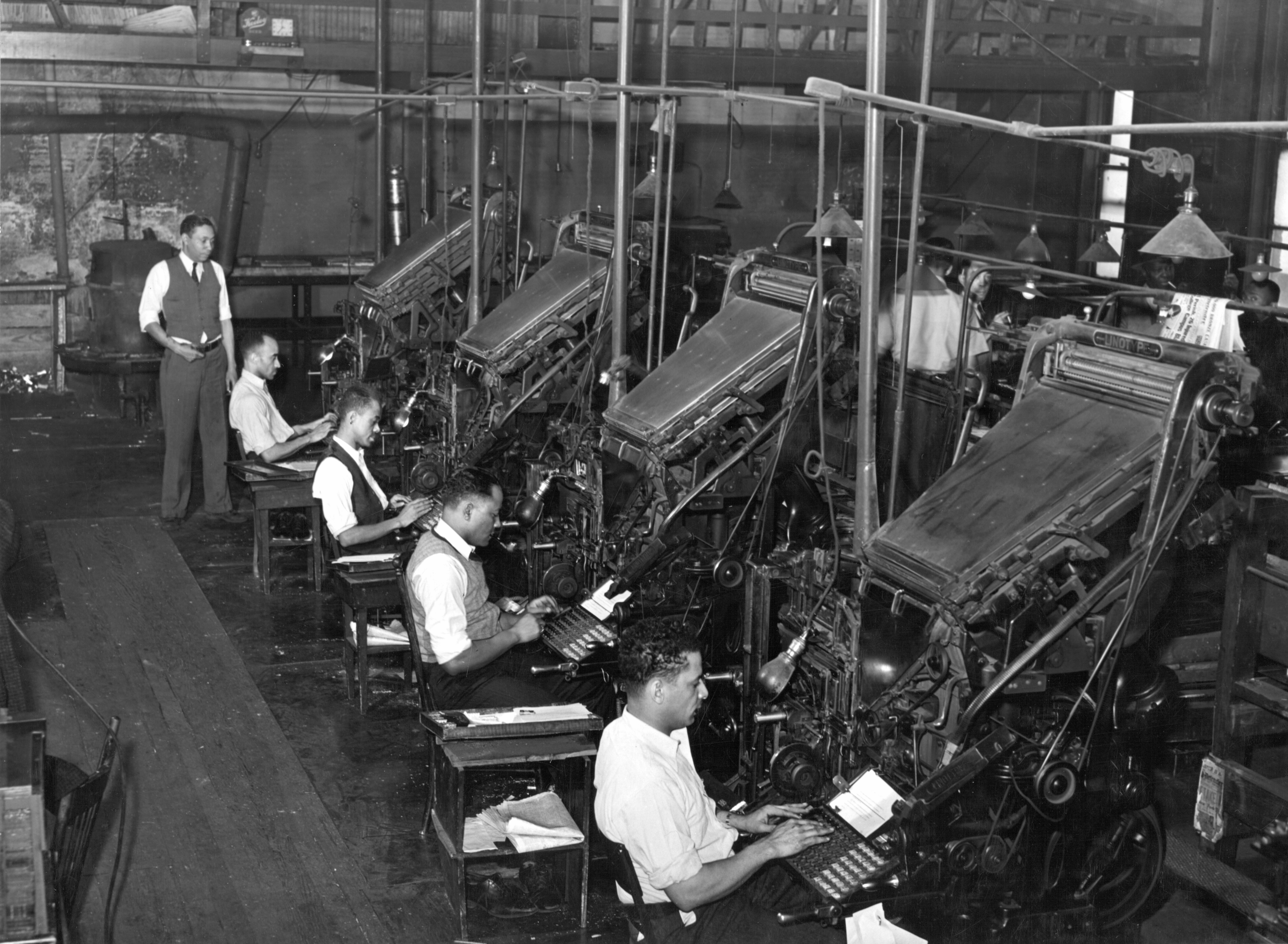
Black Newspapers’ Coverage of Black Soldiers’ Mistreatment Considered War Crime

During World War II, the Black media was unable to publicly speak about the horrendous acts that were being inflicted upon Black soldiers at the time. Dr. Henry Louis Gates Jr., the Alphonse Fletcher University professor and director of the Hutchins Center for African and African American Research at Harvard University, declares that Black newspapers could “either give in to the government’s propaganda about racial harmony at home for the sake of the war effort and national unity or speak the truth and be smeared as co-conspirators with the enemy.” However, this did not stop the Black press; their coverage of the armed forces’ racial inequalities help to bring about better conditions for Black soldiers.
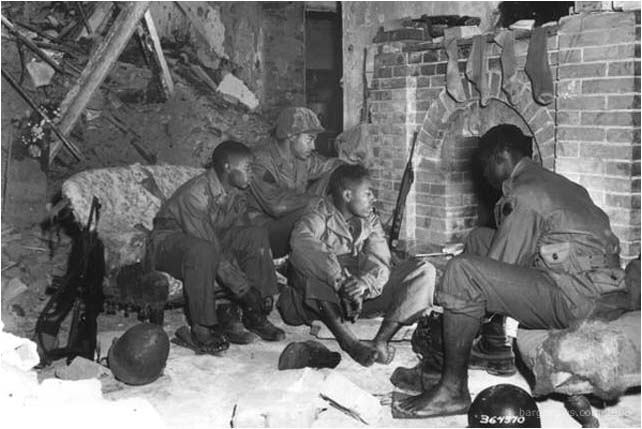
Black WWII Soldiers

Jim Crow Still Applied Overseas

Gates conveys that, “despite the gains of the abolition of slavery and the three Reconstruction amendments to the Constitution, Jim Crow segregation had pervaded every aspect of American society since the 1890s. And the military was no exception.” Black soldiers were “relegated to segregated divisions” due to the fact that “the military was as segregated as the Deep South.”
Independent journalism still matters.

We hope this story was worth your time. For over 14 years, Atlanta Black Star has stayed Black-owned and independently run. We didn't get here by waiting on ad budgets that were never built to prioritize us. Our readers did that.

Corporate support for Black media has always been thin. Outlets like ours get roughly 1% of the $170 billion spent on U.S. advertising each year, and that margin is shrinking further as advertisers walk back the DEI-linked commitments they made in 2020. That's the backdrop. It's not why we're asking.

The wider picture isn't any steadier. Newspaper ad revenue has fallen more than 80% since 2005, and local newsrooms are closing at a rate of roughly two a week nationwide. When outlets go under, it's rarely the ones built to center a Black perspective from the ground up that get to stick around.

We know a request for support isn't why you came here. But without readers choosing to fund this work directly, the depth of reporting we can do at home and abroad shrinks along with everyone else's. If you're not in a position to give, that doesn't change how much we value you as a reader.

If you are able to, a recurring contribution does more for us than a single one-time gift, because it lets us plan the next investigation instead of just the next invoice. It takes about 30 seconds, no long form, no account. Thank you for continuing to support independent journalism and freedom of the press.

Back to top