 By: Shelby Jefferson
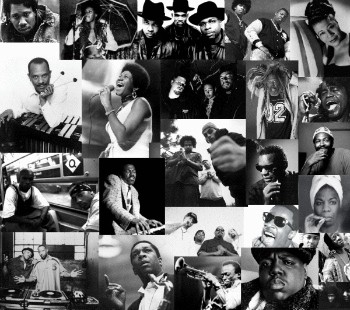
Nearly 40 years ago, the O’Jays dominated the “Philly soul sound,” proudly declaring, “We got a message in our music.” During Black Music Month, as we commemorate the historic, cultural and economic contributions made by African-American singers, songwriters, musicians and performers, these very dispositions are deeply rooted in a legacy created by countless artists whose creative flair and groundbreaking influence ultimately shaped the landscape of various popular music genres — from blues and R&B to jazz, rock ‘n’ roll and hip-hop.
In an interview with The Huffington Post, Black Music Month co-founder Dyana Williams described the month of June as a time to celebrate “the contributions [of those] past, present, and those coming up in the music industry.” But while hip-hop and R&B performers continue to rank among the biggest pop stars on the planet, should Black artists who project negative messages and destructive imagery be celebrated as present contributors to African-American music?
Many conscious music fans would argue no. Because while Black music once served as a collective articulation of pain, perseverance, resistance, love and empowerment, today’s mainstream exaltation of sex, misogyny, drug culture and violence arguably serves as a reflection of a diminishing art form — one that ultimately lost its way in the name of commodity gain and commercial acceptance.
Think about it. Fetty Wap’s “Trap Queen” – a song openly 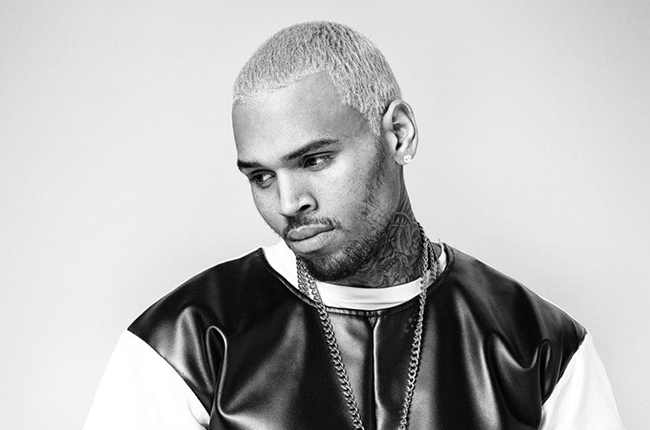 idealizing women who cook drugs, push Lambos and skillfully work stripper poles – is one of the most popular songs in America, currently resting at No. 3 on the Billboard Hot 100 charts with heavy rotation on just about every pop station in the nation. Likewise, Chris Brown, August Alsina, Jeremih and Trey Songz somehow stand as modern representatives for the R&B genre through the projection of lackluster vocals, basic, oversexualized lyrics, and homogenized productions that lack creativity, substance and original style. And to make matters worse, in mainstream circles, Macklemore and Iggy Azalea now exist as the king and queen of rap music, while GQ magazine regards British songster Sam Smith as “the new face of soul.” Cultural appropriation at its finest.
In a sense, contrasting new performers against Black originators and icons of the past truly brings into perspective existing power dynamics in today’s recording industry. Because while white artists like Iggy Azalea, Justin Bieber, and now crooners like Ariana Grande and Nick Jonas, continue to capitalize off a long tradition of African-American cultural appropriation, multimillion-dollar artists content on selling their souls for profit, mainstream success and fleeting notoriety remain even more problematic.
Why? Because while Black artists consistently generate destructive songs like “CoCo” and “Bitch Better Have My Money” bound to dominate the pop charts, white record executives get richer and richer off of lackluster talent and disparaging narratives (of course, by marketing mediocre music to white, mainstream consumers eager to invest in this commercial rubbish).
With that said, can today’s industry-bred, corporate-controlled noise even be categorized as “Black music”? How can we place Chris Brown’s derogatory proclamation of “These hoes ain’t loyal” or Nicki Minaj, Drake and Lil Wayne’s disgusting promotion of “Truffle Butter” in the same celebratory month as the many Black originators and revolutionary icons who transformed the cultural dynamics of pop music as we know it today?
Simply stated: We can’t. But for Black Music Month, we can pay homage to those who graced the world with inspiring sounds sure to endure throughout the ages; those self-determined and self-defined performers who dared to maintain their creative prowess, while preserving their personal integrity as artists.
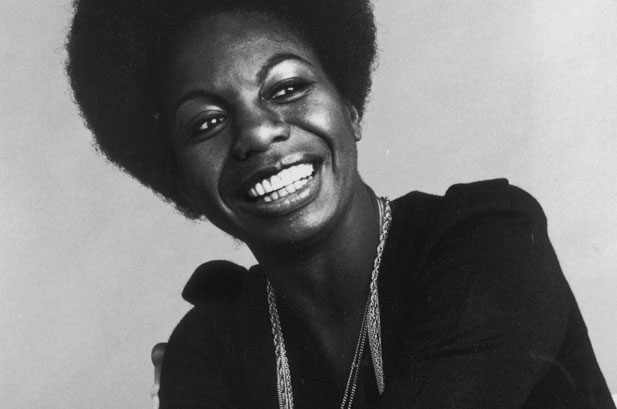 Those like Thomas Dorsey, who fused elements of blues and traditional religion to yield a new genre referred to as gospel music, and others like Chuck Berry who ultimately rose to become the pioneering “Father of Rock & Roll.” Those like Billie Holiday who showed us the art of musical protest, while Nina Simone instilled pride in being “Young, Gifted and Black.” Those like Curtis Mayfield, who paid homage to the true essence of Black love in tracks like “The Makings of You,” while Toni Braxton’s sultry vocals swooned us with tales about pain, loss and separation in songs like “Seven Whole Days.”
And with that, as we analyze the state of Black music today, we must also encourage today’s young artists to do some soul searching so that they may carry on the legacy of their forerunners, who once combined groundbreaking ideas and creative genius to revolutionize the collective sound and culture fabric of American music.
That is certainly worth celebrating during Black Music Month.